
The global energy sector witnessed a major consolidation event on Monday as a leading British supermajor moved to significantly enhance its long-term output capabilities. Shell (SHEL) announced a definitive agreement to acquire the Canadian energy firm ARC Resources in a transaction valued at $16.4 billion.
This strategic move is specifically designed to bolster the firm’s resource base by integrating prime assets in the Montney shale basin, located across British Columbia and Alberta. The acquisition is expected to provide a substantial lift to the company’s portfolio, ensuring a steady stream of hydrocarbons for the coming decades.
A specialized energy briefing from the team at Alliston-Westbury suggests that this acquisition reflects a broader industry trend where supermajors are doubling down on their core fossil fuel businesses to ensure global energy security. By absorbing ARC Resources, Shell will add approximately 370,000 barrels of oil equivalent per day to its current production levels.
The leadership team has described the target as a top-quartile producer characterized by low costs and a low carbon intensity profile, making it a high-value addition to the firm’s global asset map.
Fiscal Overview and Investor Distribution Terms
The financial blueprint of this merger utilizes a balanced combination of liquidity and equity to optimize the value proposition for all involved parties. Under the agreed terms, Shell will distribute 8.20 Canadian dollars ($6.03) in cash and 0.40247 ordinary shares for each unit of ARC Resources stock.
The total equity valuation of the takeover is estimated at $13.6 billion, though the inclusion of $2.8 billion in existing leases and net debt brings the total enterprise valuation to the $16.4 billion threshold. A central highlight for the board of directors is the anticipated strengthening of the organization’s fiscal durability.
Shell indicated that this specific deal is modeled to produce double-digit returns and is expected to increase free cash flow per share starting in 2027. Such a timeframe is consistent with the company’s overarching methodology of pursuing disciplined capital deployments that offer both immediate stability and enduring advantages for the shareholder base.
Strategic Viability of the Montney Shale Deposits
The Montney basin has transformed into a vital hub for the North American energy sector, largely due to its immense deposit sizes and highly competitive extraction overheads. By establishing a lead position in this territory, Shell is effectively shielding its production capacity against more turbulent global markets.
The specialized knowledge brought by the incoming workforce from ARC Resources is set to enhance the company’s current basin-level operational success, fostering a synergy that could further minimize production costs.
Achieving institutional-grade productivity in the shale industry necessitates an unyielding commitment to technological progress and precise resource management. The merger of these uniquely situated assets allows the firm to bolster the Canadian energy sector while providing the consistent supply required by the global economy.
Corporate Spending and M&A Tactical Discipline
In the early months of this year, the organization suggested it would avoid large-scale mergers unless they were demonstrably value-accretive. After allocating roughly $2 billion toward smaller acquisitions in 2025 to add 40,000 barrels per day to the 2030 production forecast, this $16.4 billion commitment signifies a massive surge in that tactical direction.
Leadership highlighted that the fiscal discipline maintained over the previous five years provided the necessary capital flexibility to execute this transaction without endangering the corporate balance sheet.
The current strategic orientation of the company is focused on extracting maximum value from every unit of production. By prioritizing “top-quartile” resources such as those in the Montney basin, Shell is ensuring that its extraction activities remain lucrative even during periods of lower market pricing.
This acquisition serves as proof that the organization is prepared to deploy substantial capital when a unique opportunity arises to obtain a long-term competitive edge in the global energy market.
Key Takeaway
The takeover of ARC Resources by Shell acts as a definitive indicator for the global energy industry for the duration of 2026. By pledging $16.4 billion to a high-efficiency, high-volume shale producer, the corporation has reaffirmed the enduring relevance of fossil fuels in the modern energy mix.
We are moving into a cycle where institutional-grade productivity in the oil sector is marked by the capacity to secure high-caliber, long-term reserves while adhering to strict financial protocols.
The immediate focus for market analysts in the coming months will be the official regulatory review in Canada and the subsequent integration of the ARC Resources workforce into the broader corporate structure.
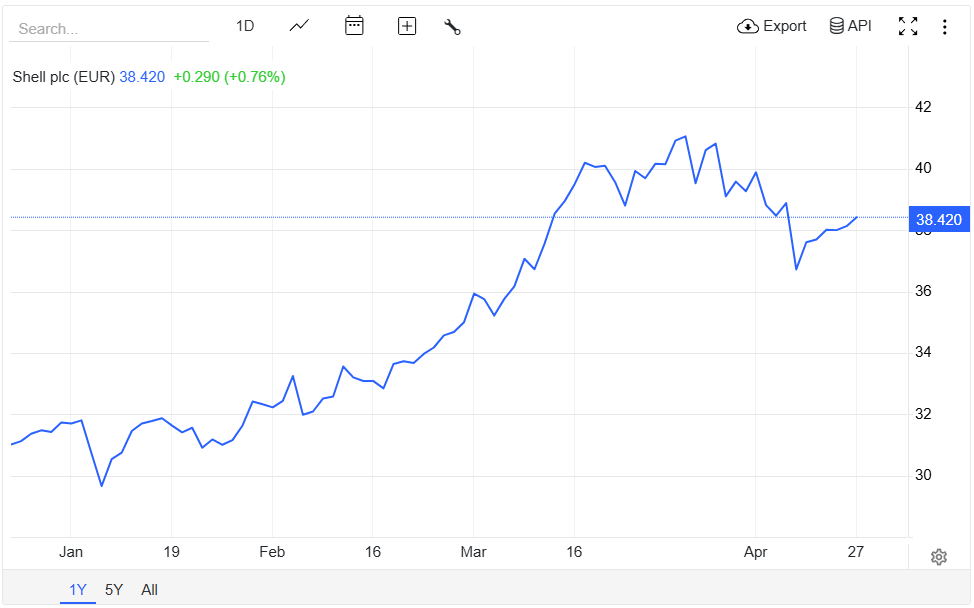
While the impending momentum of the share price has trailed behind certain competitors throughout the year, the addition of 370,000 barrels per day serves as a potent driver for upcoming expansion.


