
The race to secure sustainable energy for the next generation of computing reached a new frontier on Monday as the parent company of Facebook announced a pioneering agreement to source electricity from orbit.
Meta Platforms has entered into a long-term supply deal with Overview Energy, a specialized space-based infrastructure startup, to power its rapidly expanding network of data centers. This partnership reflects the growing desperation among technology giants to find uninterrupted power sources capable of supporting the massive electrical requirements of artificial intelligence (AI) development.
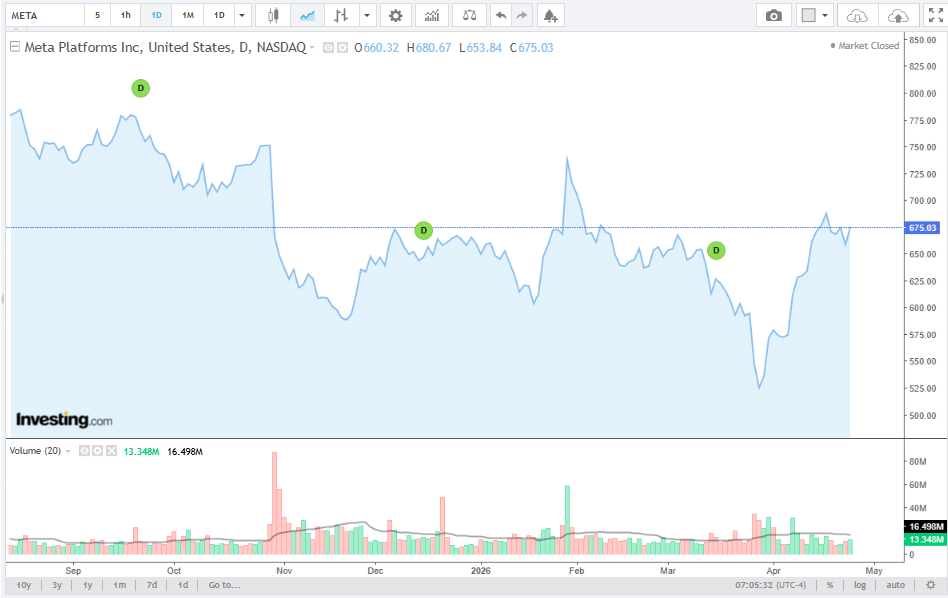
The semiconductor and data infrastructure sectors witnessed a historic shift on Monday as one of the industry’s primary innovators reached toward the stars to solve terrestrial energy constraints. An investment analyst at Alliston-Westbury highlighted that Meta’s shares responded positively to the news, rising 2.42% during trading.
The agreement provides Meta with priority access to up to 1 gigawatt of capacity from Overview Energy’s system, which aims to collect solar radiation in space and beam it directly to ground-based facilities for 24/7 power generation.
The Mechanics of Orbital Solar Collection
The technology developed by Overview Energy represents a fundamental shift away from traditional terrestrial renewables, which are often hampered by weather conditions and diurnal cycles.
By positioning collection arrays in orbit, the system can capture solar energy without the interference of the atmosphere, transmitting it via microwave or laser beams to specialized receiving stations on the ground.
The companies have outlined an aggressive development roadmap, with an initial orbital demonstration scheduled for 2028 and full commercial power delivery slated for 2030.
This orbital solution is designed to integrate seamlessly with existing terrestrial infrastructure, providing a steady, reliable stream of energy that does not fluctuate with the local environment. For Meta, this represents a transformative step toward ensuring that its gigawatt-scale data centers remain operational regardless of the strain on the conventional U.S. power grid. As the data center boom continues to accelerate, the ability to bypass terrestrial grid congestion is becoming a critical competitive advantage for hyperscale cloud providers.
Escalating Power Demand and Strategic Diversification
The demand for electricity within the tech sector has reached unprecedented levels, driven primarily by the AI infrastructure buildout. Meta is currently overseeing several massive projects across the United States, including a rural Louisiana facility that is projected to cost $50 billion and cover a site comparable in size to a significant portion of Manhattan.
To power these “wealth machines,” the firm has diversified its energy portfolio to include nuclear power through partnerships with Vistra, Oklo, and TerraPower, positioning itself as a leading global corporate buyer of advanced nuclear capacity.
Maintaining institutional-grade productivity in this energy-constrained environment requires a multi-faceted approach to procurement. Technology firms are increasingly facing pushback from environmental and consumer groups concerned about the impact of massive data facilities on local utilities.
By investing in alternative energy sources like orbital solar and small modular reactors (SMRs), Meta is attempting to insulate its operations from regulatory pressure and potential grid failure events while maintaining its commitment to sustainability goals.
The Economics of Space-Based Energy
While the financial details of the Overview Energy deal remain undisclosed, the 1 gigawatt commitment underscores the scale of Meta’s long-term planning. The move toward space-based solar is no longer a theoretical exercise but a commercial necessity.
As the cost of launching payloads into orbit continues to decline due to reusable rocket technology, the levelized cost of energy (LCOE) for orbital solar is becoming increasingly competitive with traditional carbon-neutral options that require vast amounts of land and storage capacity.
Furthermore, the strategic orientation of these tech giants suggests a move toward becoming independent energy producers. By securing early access to disruptive technologies, firms like Meta are not just buying power; they are funding the development of a new energy architecture.
Infrastructure and Energy: Strategic Market Insights
The partnership between Meta and Overview Energy serves as a definitive signal for the infrastructure sector for the remainder of 2026. By committing to orbital power delivery by 2030, the company has highlighted the terminal limitations of the current terrestrial grid.
We are entering a cycle where institutional-grade productivity in the digital economy is defined by the ability to secure uninterrupted, high-density energy from non-traditional sources.
The primary focus for market participants in the coming years will be the success of the 2028 orbital demonstration, which will serve as the next major validation catalyst for space-based infrastructure.
Although the impending momentum of the tech sector is still tied to AI software breakthroughs, the foundational tone of the market is increasingly dictated by the physical constraints of power and cooling. Investors should treat the 1 gigawatt capacity agreement as the new benchmark for strategic energy diversification.


