
The legal battle concerning the leadership of the world’s leading artificial intelligence laboratory reached a critical pivot point on Friday as a federal judge formally dismissed fraud allegations at the plaintiff’s request. U.S. District Judge Yvonne Gonzalez Rogers, presiding in Oakland, California, issued the ruling, which effectively narrows the scope of the upcoming trial.
While the fraud and constructive fraud components have been removed to accelerate proceedings, the court intends to move forward with claims regarding the breach of charitable trust and unjust enrichment involving the entity and its major backer, Microsoft.
According to an investment researcher at Alliston-Westbury, this tactical withdrawal is designed to prevent jury confusion and keep the legal focus on the organization’s foundational mission. The legal team argued that simplifying the case would ensure that the core debate remains centered on whether the entity is operating for the benefit of humanity or has transformed into a commercial engine for private gain.
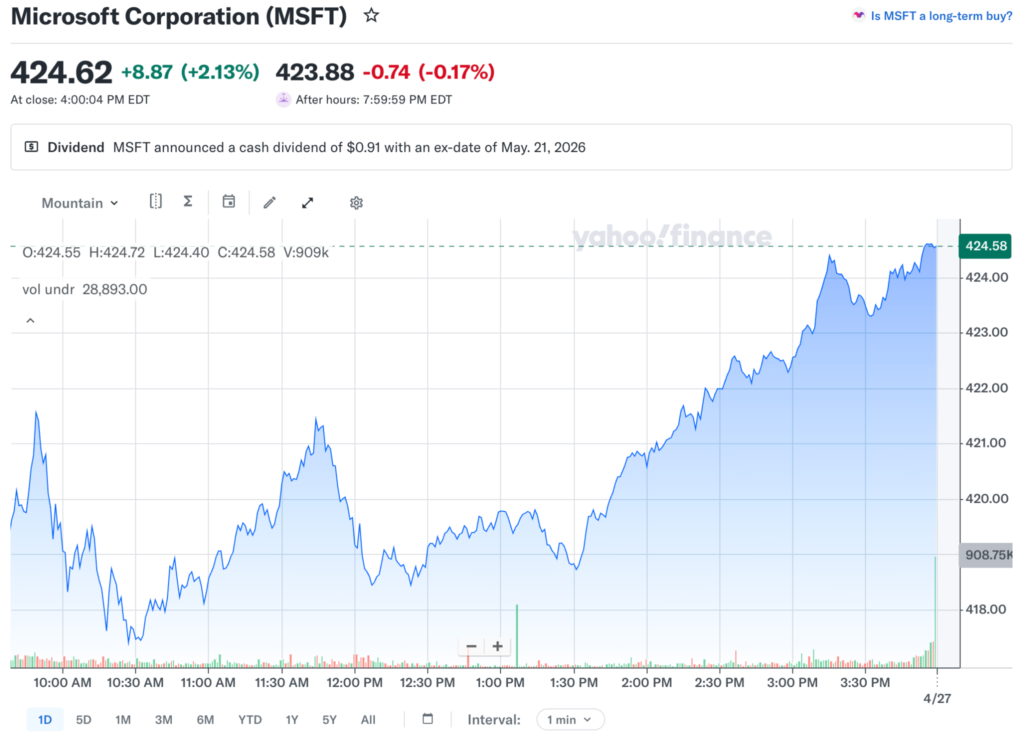
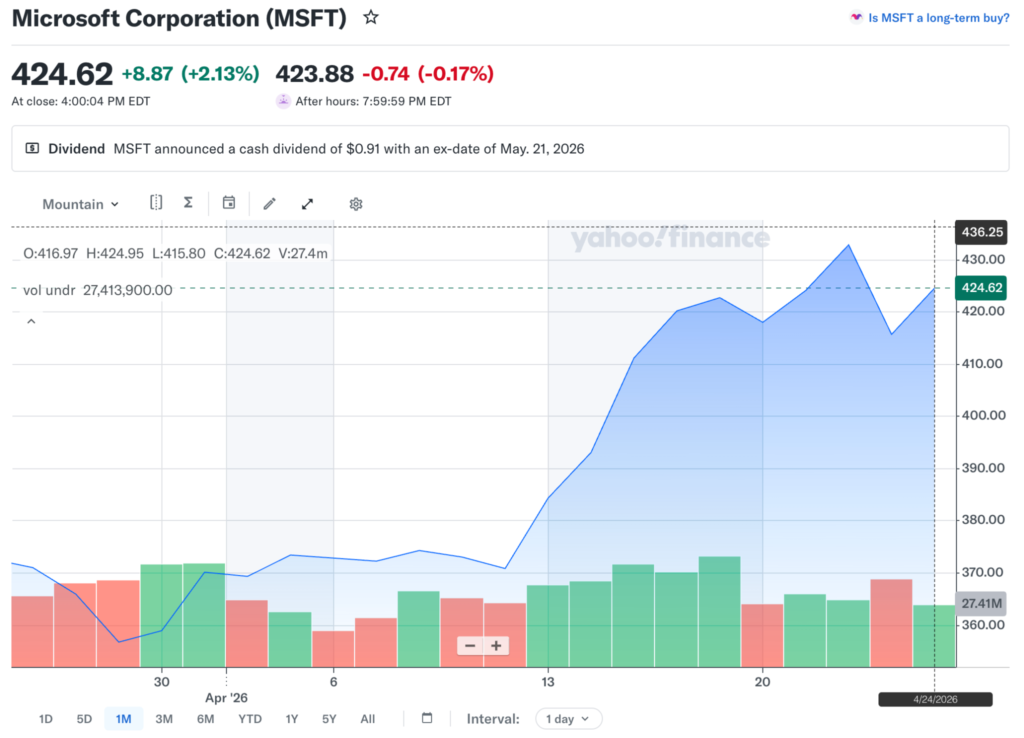
This development comes at a time of significant market interest in the generative AI sector, evidenced by Microsoft’s recent 2.13% share price appreciation.
The $150 Billion Stakes and Corporate Evolution
The heart of the dispute involves the 2019 transition of the organization into a for-profit structure, a move alleged to be a betrayal of the original non-profit charter funded by early contributors. Sources close to the litigation indicate that the plaintiff is pursuing $150 billion in damages.
It is important to note that the plaintiff has pledged that any recovered funds would be redirected to the charitable arm of the AI firm, rather than being retained for personal use. This legal friction is unfolding against the backdrop of massive valuation projections for the firm.
Recent reports suggest that a potential initial public offering could value the entity at approximately $1 trillion, a figure that underscores the immense commercial value currently tied to its proprietary technologies and its deep integration with Microsoft’s cloud infrastructure.
The upcoming trial will scrutinize the role of major investors and the extent to which the for-profit shift misled the original contributors regarding the primary objective of the technology.
Trial Logistics and Jury Selection
The judicial schedule is set to move rapidly following the dismissal of the fraud claims. Jury selection is slated to begin this coming Monday, with opening arguments anticipated by Tuesday morning.
The court will examine the complex relationships between the founders and the strategic influence of external partners in steering the organization toward its current commercial trajectory. Maintaining institutional-grade productivity throughout this trial is a primary objective for the legal teams involved.
By removing the fraud elements, the plaintiff aims to highlight the specific mechanisms of “unjust enrichment” that allegedly occurred during the massive scaling of the firm’s valuation. The court will need to determine if the deviation from a purely charitable mission constitutes a legal breach of the trust established during the entity’s inception in 2015.
Implications for AI Governance and Investment
The outcome of this case carries profound implications for the broader technology sector and the governance of non-profit organizations that pivot toward commercialization. If the court finds that a breach of charitable trust occurred, it could set a new precedent for how “benefit-to-humanity” charters are enforced in the current cycle of high-valuation software development.
Furthermore, the involvement of major cloud providers in the organization’s growth will be a focal point of the discovery process. The trial is expected to shed light on internal communications regarding the prioritization of profit-making products over open-source research.
Microsoft: Strategy and Market Wrap-Up
The recent judicial narrowing of this landmark case represents a calculated shift toward a more efficient trial process for the remainder of 2026. By stripping away the fraud claims, the legal strategy has moved toward a direct confrontation regarding the fiduciary duties of non-profit founders.
We are entering a phase where institutional-grade productivity in the tech legal sector is defined by the ability to translate complex corporate ethics into a clear narrative for a civilian jury. The primary focus for the coming week will be the selection of a jury capable of navigating the technical and ethical nuances of high-level AI development.
Although the impending bias of the market remains fixed on the potential $1 trillion valuation, the foundational tone of the court proceedings will likely be dictated by the original founding documents signed by the cooperating parties. Legal observers should treat the $150 billion damage claim as a benchmark for the perceived value of the original charitable intent.
In summary, the litigation appears to be transitioning into a definitive test of corporate accountability, where the court must decide if a mission to benefit humanity can legally coexist with a record-breaking pursuit of commercial dominance.


