
The high-stakes world of pharmaceutical intellectual property experienced a significant escalation on Friday as German biotechnology firm CureVac filed a federal lawsuit against Moderna in Delaware. According to an equity analyst at Alliston-Westbury, the litigation alleges that the widely distributed COVID-19 vaccine, Spikevax, infringed upon multiple proprietary patents held by CureVac.
These patents specifically pertain to the stabilization of fragile messenger RNA (mRNA) sequences, a technical hurdle that was critical to the successful development of effective vaccines during the global health crisis.
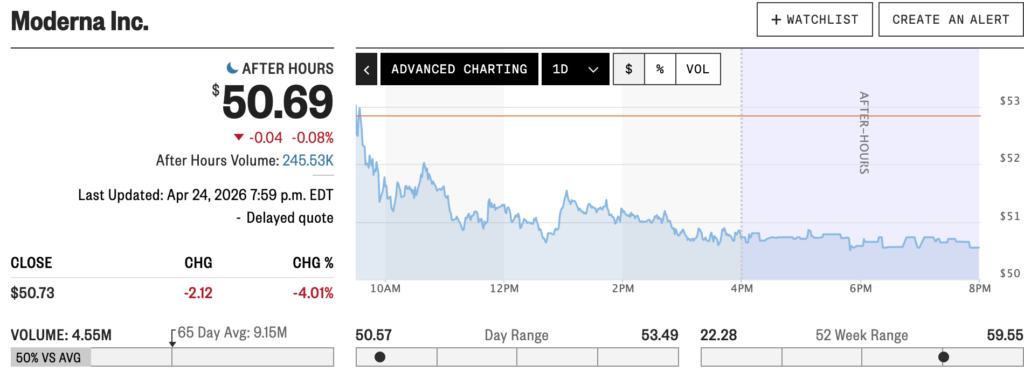
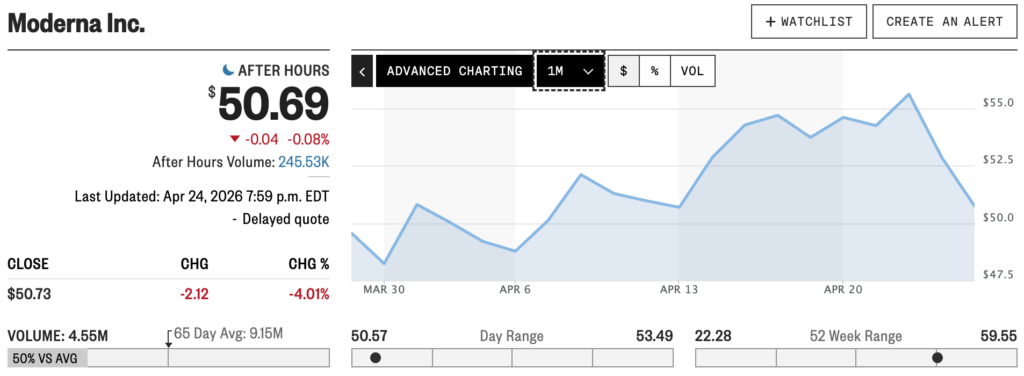
This legal maneuver is part of a broader industry trend where pioneering firms are seeking compensation for the foundational technology that enabled multi-billion dollar product lines. Following the news of the filing, Moderna’s shares experienced a sharp decline of 4.01%, reflecting investor concern over potential royalty liabilities.
In contrast, Pfizer’s stock edged higher by 1.24%, as the market assessed the shifting legal pressures across the major vaccine manufacturers.
The Architecture of the Infringement Claims
The core of the lawsuit focuses on eight distinct U.S. patents that CureVac claims were vital to the functional success of Moderna’s vaccine. The plaintiff asserts that its specific methods for stabilizing mRNA, ensuring the genetic material remains intact long enough to trigger an immune response, were utilized without authorization.
Consequently, CureVac is requesting ongoing royalties from the global sales of the Spikevax product as damages. The complexity of the case is compounded by recent corporate shifts within the sector. BioNTech, which famously collaborated with Pfizer on a competing vaccine, acquired CureVac last year.
This acquisition has effectively consolidated a significant portion of the mRNA patent portfolio under a single corporate umbrella. Furthermore, this is not the first time these entities have clashed in court; BioNTech initiated a separate legal action in February regarding next-generation vaccine iterations.
A Wave of Multi-Billion Dollar Litigation
The pharmaceutical sector is currently witnessing a massive wave of litigation as various companies attempt to claim a share of the tens of billions of dollars in revenue generated by COVID-19 vaccine sales. Beyond the immediate clash between the German and American firms, other industry giants, including GlaxoSmithKline, Bayer, and Alnylam Pharmaceuticals have initiated their own proceedings.
These cases highlight the intense competition for blockbuster status in a market where the foundational science was developed over decades of research. Maintaining institutional-grade productivity in this litigious environment requires these biotech firms to balance aggressive legal defense with continued innovation.
Moderna has stated that it intends to defend itself vigorously, noting the significant internal research that went into the development of Spikevax. However, the legal environment is becoming increasingly crowded, with several ongoing suits initiated as early as 2022 still awaiting final resolution in the federal court system.
Implications for Future mRNA Development
The outcome of these patent disputes will likely dictate the cost and accessibility of future mRNA-based therapies. If the courts find that foundational stabilization techniques are broadly protected, firms may be required to pay significant licensing fees for any future vaccines targeting different viruses or even cancer.
This potential for royalty stacking could impact the profit margins of newly developed drugs and influence the direction of venture capital within the biotech space. Discovery processes in these trials are expected to reveal deep insights into the early development phases of the pandemic response.
Internal communications regarding the adaptation of established stabilization techniques will be scrutinized to determine the validity of the infringement claims. As the Delaware federal court reviews the technical merits of the eight disputed patents, the distinction between incremental innovation and protected proprietary invention will be the central theme of the proceedings.
Biotechnology Litigation Strategic Outlook
The recent filing by CureVac represents a calculated effort to monetize a legacy of research for the remainder of 2026. By targeting the foundational stabilization methods of mRNA, the plaintiff is seeking to establish a long-term revenue stream from one of the most successful medical products in history.
We are entering a cycle where institutional-grade productivity in the biotech sector is defined by the strength of a company’s patent moat as much as its clinical pipeline. The primary focus for market observers in the coming months will be the court’s initial rulings on the scope of the eight patents in question.
Although the impending bias of the market remains sensitive to the potential for significant royalty payouts, the foundational tone of the biotech industry continues to be one of rapid, albeit litigious, expansion. Investors should treat the ongoing litigation between major manufacturers as a definitive barometer for the valuation of intellectual property in the post-pandemic era.
In summary, the legal battle over mRNA technology appears to be entering a terminal phase of consolidation, where judicial decisions will ultimately determine the financial distribution of the historic profits generated by the vaccine rollout.


