
The Canadian energy sector marked a significant milestone on Friday as the federal government formally authorized the C$4 billion ($2.9 billion) Sunrise natural gas expansion project. This decision represents the first major pipeline approval under the administration of Prime Minister Mark Carney, who assumed leadership approximately one year ago.
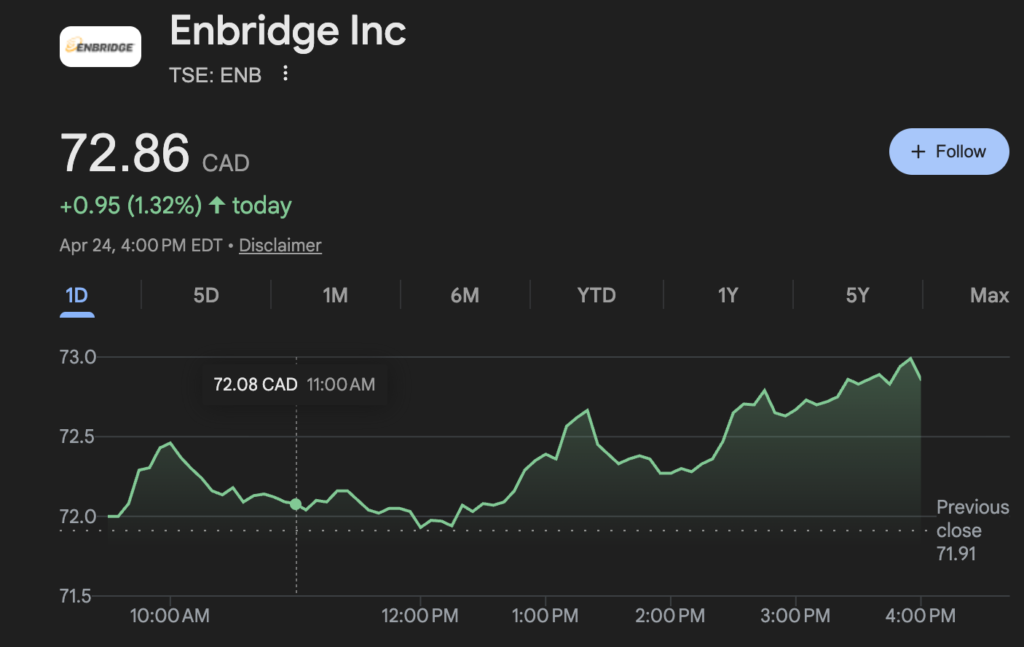
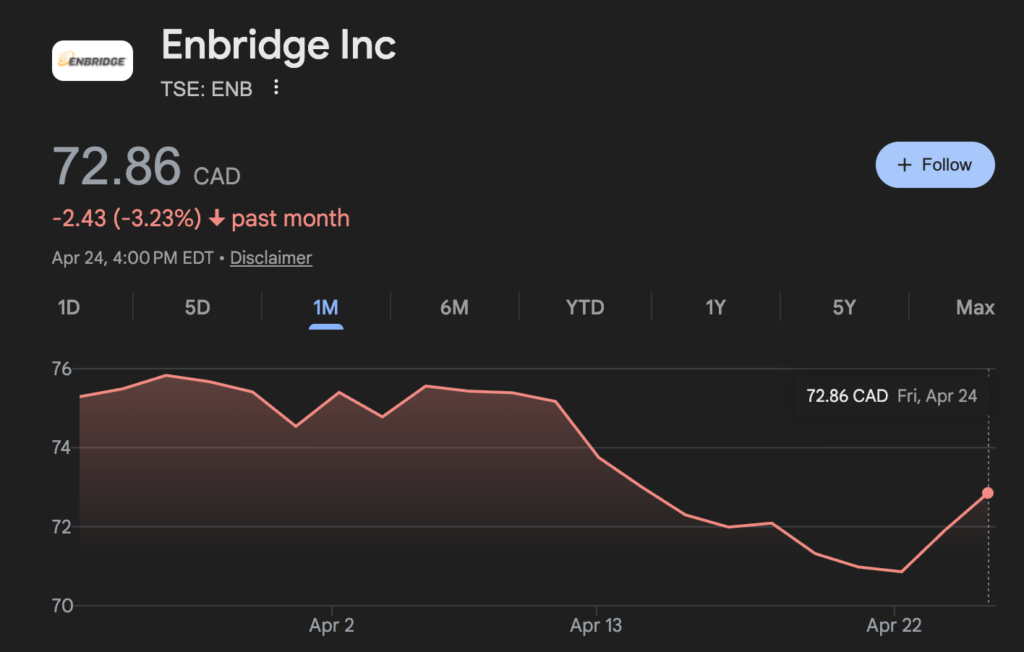
For Enbridge Inc. (NYSE: ENB), the approval serves as a vital validation of its midstream strategy, resulting in a 1.52% uptick in share value as investors reacted to the reduction in regulatory uncertainty.
The move signals a shift in the domestic policy environment, prioritizing energy sovereignty and the diversification of export routes. According to stock analysts at Alliston-Westbury, the federal government is increasingly focusing on infrastructure that reduces the historical reliance on US-bound exports.
By signaling support for large-scale energy transport, including a potential 1 million barrel a day oil pipeline from Alberta to the Pacific Coast, the current administration is attempting to streamline the economic benefits of Western Canada’s massive resource wealth.
The Technical Scope of the Sunrise Expansion
The Sunrise project is designed to significantly bolster the capacity of the primary gas transmission system in British Columbia. Enbridge has confirmed that the expansion will add up to 300 million cubic feet a day in transport capacity, drawing primarily from the prolific Montney shale formation located in the northeast of the province.
The infrastructure development involves the installation of 139 kilometers of new pipeline alongside 11 pipeline looping segments to enhance system efficiency and safety. This additional capacity is intended to feed into the broader energy network that stretches into the US Pacific Northwest.
While construction is slated to commence this summer, the firm anticipates that the expanded system will be fully operational by late 2028. The project also features a notable inclusive ownership structure, as 36 First Nations, who recently secured a 12.5% stake in the existing West Coast gas system, will have the opportunity to participate as equity partners in this new expansion.
Cross-Border Regulatory Divergence
Despite the domestic success, leadership at Enbridge has highlighted a persistent competitive gap between the Canadian and US regulatory environments. Executives noted that the permitting process south of the border remains significantly faster, a factor that continues to influence the geographic allocation of midstream capital.
This divergence was emphasized just last week when the US administration granted nine distinct permits to Enbridge, allowing for the expansion of throughput on systems in North Dakota and the continued operation of several cross-border pipelines.
Maintaining institutional-grade productivity requires the company to navigate these distinct regulatory timelines with precision. While the approval in British Columbia is seen as a major step forward, the company maintains that Canadian authorities must continue to prioritize the expeditious handling of major projects to remain competitive with the US market.
The recent federal “sense of purpose” in Ottawa is welcomed by industry participants, yet the long-term capital strategy remains globally diversified to mitigate regional bureaucratic delays.
Energy Security and the Economic Agenda
The approval of the Sunrise project is a central component of a broader economic agenda focused on energy independence. By facilitating the transport of natural gas from the Montney formation, Canada is positioning itself to better serve its domestic needs while looking toward global LNG markets.
This strategy is essential for stabilizing energy prices and ensuring that the country’s natural resources can be brought to market with maximum efficiency. Institutional observers emphasize that this project is more than just a capacity increase; it is a signal to global markets that Canada is open to major infrastructure investment.
The collaboration with First Nations in the ownership structure also provides a template for future developments, ensuring that indigenous communities benefit directly from the extraction and transport of resources. This “intent and prioritization” from the federal level is a critical prerequisite for the multi-billion-dollar commitments required in the midstream sector.
Enbridge Strategy & Market Wrap-Up
The authorization of the Sunrise expansion provides a definitive boost to the Canadian midstream sector for the remainder of 2026. By moving forward with the first major pipeline project under the current government, the industry has gained a necessary benchmark for the “expeditious” regulatory treatment of large-scale infrastructure.
We are entering a cycle where institutional-grade productivity in the energy space will be defined by the successful integration of ESG-focused indigenous partnerships with high-capacity engineering solutions. The primary narrative for the coming months will be the successful mobilization of construction crews this summer and the continued refinement of federal permitting processes.
In summary, Enbridge’s success in British Columbia appears to be a catalyst for a more decisive federal approach toward resource transport, though the company’s strategic orientation remains focused on closing the competitive gap between North American regulatory regimes.


