
In the ever-evolving world of construction, the quest for more sustainable, efficient, and cost-effective building materials is at the forefront of industry trends. Two materials that have gained widespread recognition in recent years are plastic flooring and cement boards. These materials have revolutionized the construction and architecture industries, offering exceptional benefits in terms of durability, affordability, and aesthetic versatility. This article delves into the applications, advantages, and future prospects of plastic flooring and cement boards, emphasizing their growing importance in the field of modern architecture and construction.
Understanding Plastic Flooring: Durability and Versatility
Plastic flooring, commonly referred to as vinyl or PVC flooring, has become a preferred choice for many construction projects due to its robust features and versatility. This material is primarily made from polyvinyl chloride (PVC) and is designed to replicate the appearance of natural materials such as wood, stone, and tile, but at a much more affordable price. Plastic flooring is available in a variety of designs, making it suitable for diverse settings ranging from residential homes to commercial buildings.
Benefits of Plastic Flooring
- Durability and Resistance: Plastic flooring is highly durable, resistant to scratches, dents, and stains. It is an excellent choice for high-traffic areas that endure heavy foot traffic, such as hallways, kitchens, and bathrooms. The material’s water resistance makes it ideal for spaces prone to moisture, helping to protect against mold and mildew growth.
- Affordability: When compared to traditional flooring options like hardwood, stone, or ceramic tiles, plastic flooring is a highly affordable alternative. It provides the same aesthetic appeal as natural materials at a fraction of the cost, making it a popular choice for cost-conscious consumers and contractors.
- Ease of Installation: One of the key advantages of plastic flooring is its ease of installation. Unlike hardwood or tile flooring, plastic flooring can be installed quickly and easily, reducing labor costs and installation time. It is available in various formats, including tiles, planks, and sheets, providing flexibility in installation.
- Low Maintenance: Plastic flooring is easy to maintain. Regular sweeping or mopping is enough to keep it looking pristine. This low-maintenance aspect makes it ideal for both residential and commercial properties, where minimal upkeep is desired.
- Aesthetic Flexibility: Plastic flooring is available in a wide range of colors, patterns, and textures, making it suitable for any interior design style. From the appearance of hardwood floors to the sleek look of stone or tile, plastic flooring can mimic the appearance of expensive materials while offering greater durability and cost-effectiveness.
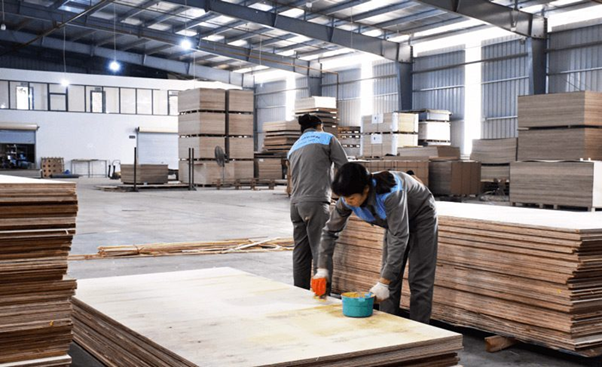
To learn more about plastic flooring and its various applications, visit tam nhua lot san chiu luc, a comprehensive guide to durable flooring solutions for modern construction projects.
Cement Boards: The Backbone of Durable Construction
Cement boards are an essential building material in modern construction, particularly for use in areas that require strength, water resistance, and fire resistance. Made from a combination of cement and fiberglass mesh, cement boards provide a solid, reliable foundation for tiling, flooring, and wall applications. These boards offer exceptional durability and resistance to wear and tear, making them ideal for both residential and commercial construction projects.
Benefits of Cement Boards
- Moisture Resistance: Cement boards are highly resistant to moisture, making them perfect for use in areas prone to water exposure. Unlike traditional drywall or plywood, cement boards do not absorb water and are not prone to warping, swelling, or mold growth. This feature makes cement boards a superior option for bathrooms, kitchens, and basements where moisture is prevalent.
- Strength and Durability: Cement boards are known for their incredible strength. They provide a stable and long-lasting base for tiles and other finishes, ensuring that the surface remains intact and resistant to cracks over time. Their robust nature also makes them ideal for areas that experience high levels of foot traffic or heavy equipment use.
- Fire Resistance: One of the most notable advantages of cement boards is their fire resistance. Made from non-combustible materials, cement boards are highly resistant to flames, providing additional safety in areas where fire hazards are a concern. This feature makes them ideal for use in kitchens, commercial spaces, and other fire-sensitive environments.
- Cost-Effectiveness: Cement boards are relatively inexpensive compared to other building materials. They offer excellent value for money, providing a durable and reliable foundation for tiling and other finishes at an affordable price. Their ability to withstand moisture, fire, and impact makes them a wise investment for both residential and commercial construction projects.
- Eco-Friendly: Cement boards are made from natural materials, including cement, sand, and water. As a result, they are an environmentally friendly choice for builders looking to reduce their carbon footprint. Cement boards are also recyclable at the end of their lifespan, making them a sustainable option for eco-conscious construction.
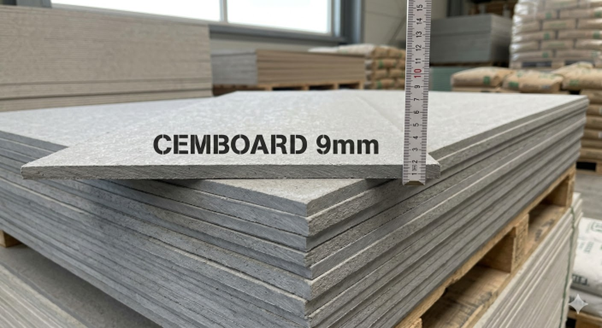
For more detailed information on cement board sizes and their applications, visit kich thuoc tam cemboard, a helpful resource for understanding cement board dimensions and their impact on construction projects.
The Role of Plastic Flooring and Cement Boards in Sustainable Construction
As the construction industry shifts toward more sustainable practices, plastic flooring and cement boards are leading the charge in providing eco-friendly building solutions. These materials not only reduce the reliance on natural resources but also provide long-lasting and durable options that minimize the need for frequent replacements. By choosing these materials, builders and homeowners can reduce their environmental impact while still achieving high-performance standards.
Plastic flooring, particularly when made from recycled materials, helps to conserve resources and reduce waste. The low maintenance and longevity of plastic flooring ensure that it does not need to be replaced frequently, further reducing its environmental footprint. Similarly, cement boards’ durability and recyclability make them an ideal choice for sustainable construction projects.
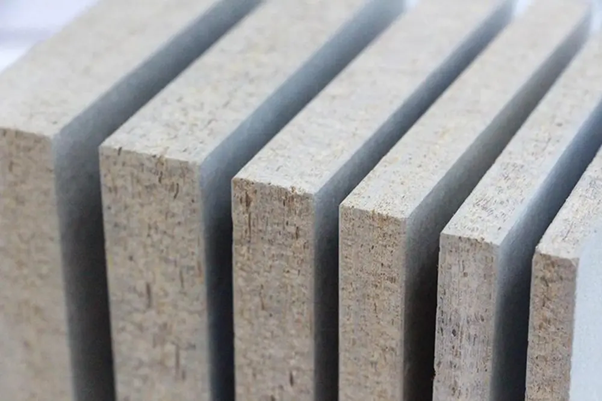
The Future of Plastic Flooring and Cement Boards in Modern Construction
The future of plastic flooring and cement boards looks bright, with ongoing technological advancements leading to even more efficient, sustainable, and versatile materials. As the construction industry embraces eco-friendly practices, these materials are expected to continue gaining popularity due to their cost-effectiveness, durability, and environmental benefits.
In the coming years, plastic flooring may become even more sustainable with the development of biodegradable and more eco-friendly options. Similarly, cement boards will likely continue to evolve with innovations that make them lighter, stronger, and more moisture-resistant, further enhancing their use in modern construction projects.
Both plastic flooring and cement boards are indispensable materials in the modern construction industry. Their durability, cost-effectiveness, and resistance to moisture and fire make them ideal choices for a wide range of applications. As the demand for sustainable building materials continues to grow, these products will play a crucial role in shaping the future of architecture and construction.
Contact Information:
- Company Name: Dang Khoi Construction Materials
- Mail: tongkhovatlieu.net@gmail.com
- State: Ho Chi Minh
- City: Ho Chi Minh City
- Country: Vietnam
- Web URL: https://tongkhovatlieuxaydung.com


