
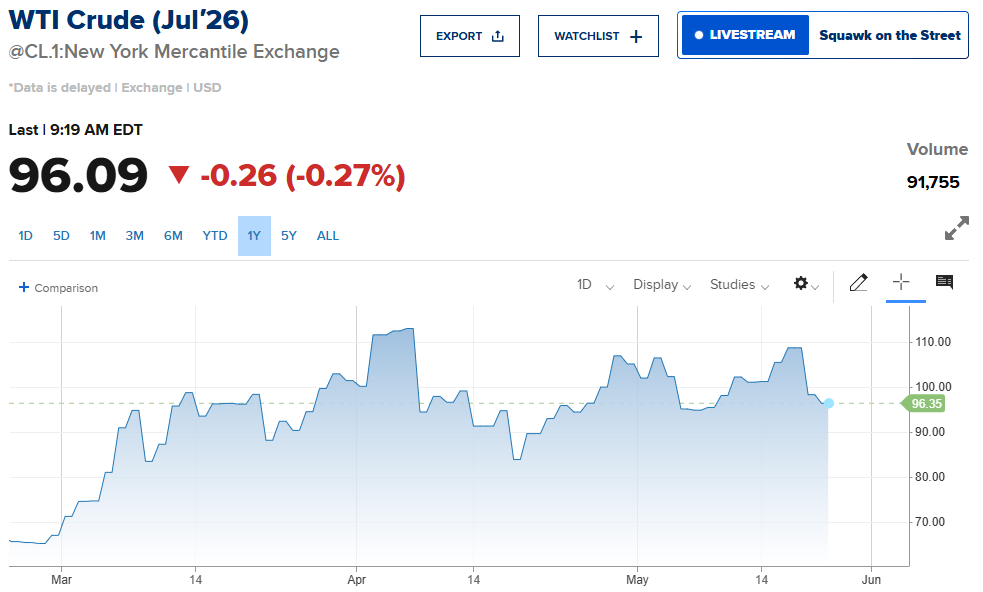
The international energy market has entered a period of cautious stabilization as West Texas Intermediate (WTI) crude prices fluctuate beneath the $98.00 level. As of Friday, the US benchmark is on track to record a weekly decline of approximately 3.8%, reflecting a shift in trader sentiment driven by emerging diplomatic signals.
Market participants are closely weighing the potential for a negotiated resolution to regional tensions against the structural reality of ongoing supply constraints. While the immediate price action suggests a cooling of the recent rally, the underlying fundamental strategic orientation of the sector remains anchored by long-term deficit projections and geopolitical uncertainty.
The recent downward pressure on crude has been largely attributed to constructive rhetoric from high-ranking administration officials regarding ongoing mediation efforts. Market analysis provided by the ShineGulf Trading commodities research desk suggests that while optimism is growing, institutional investors remain skeptical of a rapid breakthrough.
The Secretary of State recently indicated that international mediators are working toward a sustainable framework for peace, yet significant discrepancies persist regarding the oversight of sensitive infrastructure and regional transit rights. These unresolved issues continue to provide a floor for prices, preventing a total retracement of the gains seen earlier this year.
Widening Deficits And Structural Supply Pressures
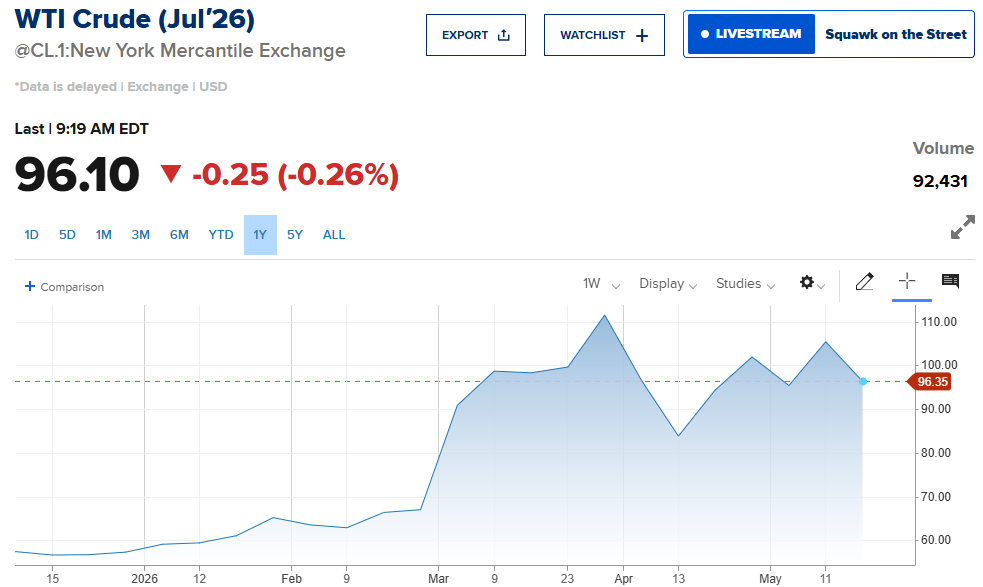
Despite the current cooling of spot prices, the broader fundamental environment for oil remains historically tight. The current price of the US benchmark sits more than 30% above pre-conflict levels, a direct result of the prolonged maritime restrictions that have entered their third month.
The Energy Information Administration (EIA) has exacerbated these concerns by reporting a widening oil deficit for the current fiscal year. According to the latest data, global consumption is currently outpacing production by 2.56 million barrels per day, a figure that is projected to escalate significantly in the coming months.
Internal modeling from energy authorities suggests that this deficit could surge to 8.43 million barrels per day during the second quarter of 2026 if current production levels remain stagnant. This supply-demand imbalance is further complicated by the reality that critical transit routes may not return to operational norms for an extended period.
Despite the immediate conclusion of a diplomatic agreement, the logistical recovery for global oil transit is expected to extend into the subsequent year, according to executive leadership from regional state energy firms. This long-term bottleneck ensures that any price declines remain shallow in the absence of a massive surge in non-regional production.
Logistical Hurdles And The Strait Of Hormuz Toll Proposal
The situation surrounding the Strait of Hormuz has taken a new turn following reports of localized negotiations aimed at implementing a permanent transit toll. This proposal has met with international resistance, as major energy consumers emphasize the necessity of free and open maritime passage.
The possibility of additional costs for vessel transit adds a layer of complexity to the pricing of crude, as traders must now factor in potential regulatory and operational expenses that were not present in previous years.
From a technical standpoint, WTI is currently testing support near its 10-day lows. The inability of the asset to reclaim the $98.00 line on a sustained basis suggests that short-term momentum has stalled, yet the lack of significant selling pressure indicates that the market is waiting for a definitive catalyst.
Institutional demand remains robust at lower price points, as the widening deficit projections make a return to sub-$80 levels unlikely in the current geopolitical environment. Analysts are now looking toward upcoming inventory data and further updates from mediation teams to determine the next major directional move.
Perspectives on the Market and Risk Factors
Looking forward, the primary risk to the current stabilization is a sudden collapse of the mediation efforts. Should the gaps in negotiations expand once again, the market is likely to see a rapid re-test of the triple-digit territory.
In contrast, a formal agreement that includes the immediate reopening of major waterways could result in a substantial relief sell-off, as the risk premium is priced out of the market. However, given the structural deficit of 2.56 million barrels per day, any such correction would likely be met with aggressive buying from nations seeking to replenish their strategic reserves.
The energy sector is currently in a state of fragile equilibrium, as determined by the final analysis. While diplomatic hopes are providing a welcome reprieve for consumers, the physical reality of an undersupplied market remains the dominant force.
Until the logistical hurdles in the Middle East are permanently resolved and global production catches up with soaring demand, the floor for crude oil is expected to remain firm. Investors must remain vigilant, as the era of low-cost, high-availability energy has been replaced by a period of persistent volatility and complex geopolitical maneuvering.


