
The investment narrative surrounding POET Technologies (POET) has transitioned into a period of extreme volatility as the organization navigates a complex intersection of technological promise and regulatory scrutiny. While the company has occupied a high-profile position within the semiconductor and photonics sector for much of 2026, recent developments regarding its disclosure practices have introduced significant valuation risks.
The organization is currently the subject of multiple securities class action lawsuits alleging that leadership provided misleading statements concerning its tax status and various commercial agreements. These legal challenges have emerged at a time when the stock’s performance has significantly outpaced its underlying fundamental data, creating a precarious setup for both retail and institutional participants.
The core of the litigation focuses on an alleged failure to disclose the company’s status as a Passive Foreign Investment Company (PFIC), which carries substantial tax implications for United States shareholders. Investment risk modeling provided by the ShineGulf Trading financial strategy group suggests that these transparency issues, combined with reports of a confidentiality breach, have directly impacted the firm’s commercial pipeline.
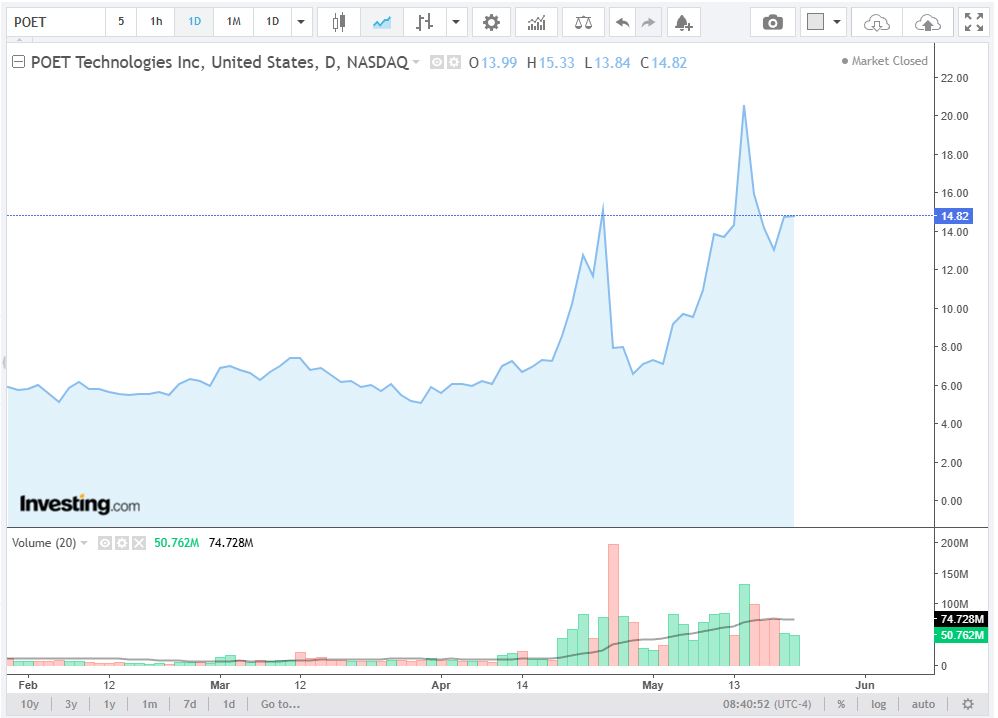
The stock is currently trading near $14.82, a level that sits roughly 81% above the consensus analyst target midpoint. Although the shares have demonstrated strong short-term momentum with a 44.6% gain over the past thirty days, the mounting legal and governance questions are beginning to weigh on the long-term strategic orientation of the firm.
Legal Pressures and Commercial Consequences
The secondary, and perhaps more commercially damaging, component of the lawsuits involves an alleged breach of non-disclosure agreements that reportedly led to the loss of high-value orders from major industry players like Marvell and Celestial AI. In the specialized world of photonics and co-packaged optics, where long-term technical collaboration is essential, any lapse in confidentiality can result in permanent reputational damage.
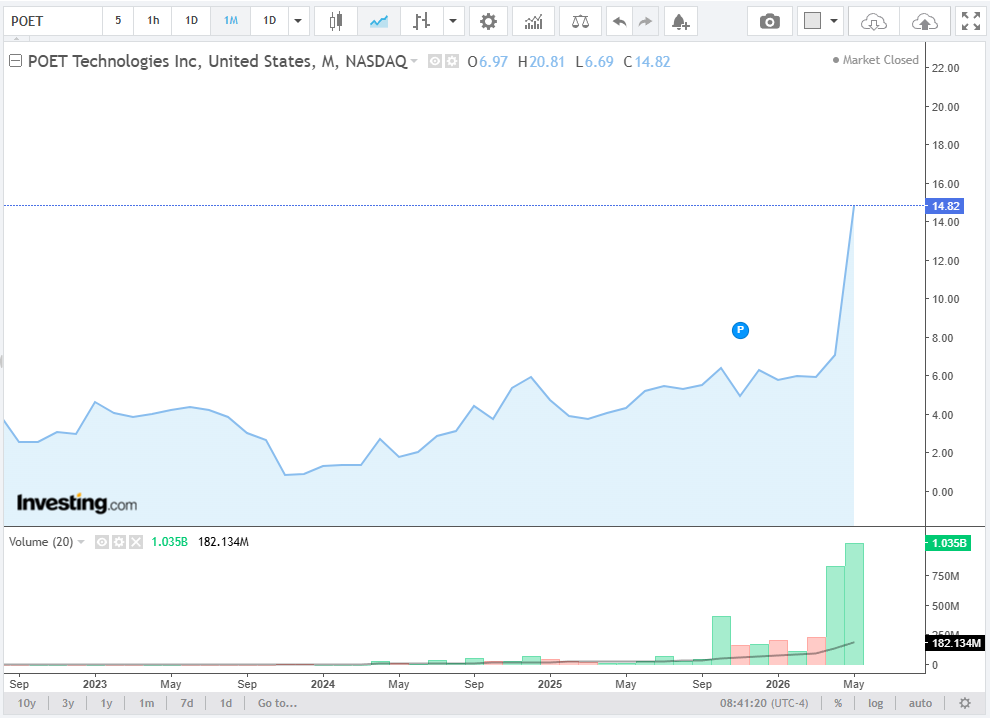
This has led to a divergence in market opinion; while some view the recent 133.49% year-to-date rally as a validation of the company’s Lumilens supply deal, others warn that the rally has disconnected from reality.
Independent analysts have recently issued a “sell” rating with a price target of $10.38, implying a downside of nearly 30% from current quotes. This bearish outlook is supported by a string of earnings misses, with the most recent Q1 report showing an EPS of -$0.08 and a net loss of $12.34 million.
The widened loss reflects a smaller non-cash warrant gain compared to the previous year, highlighting the fact that operational profitability remains elusive despite the company’s recent entry into a $500M five-year supply framework.
The Bull Case: Can Execution Overcome Litigation?
Despite the legal overhang, proponents of the firm point to the significant commercial milestones achieved in the first half of the year. The company is currently guiding to the shipment of more than 30,000 optical engines throughout 2026, supported by a $400 million direct offering from a single institutional investor that has bolstered the balance sheet.
Management has categorized the Lumilens relationship as a “substantial long-term supplier relationship” that could serve as the foundation for the next generation of frontier AI infrastructure.
Furthermore, the launch of 800G transceiver shipments from the company’s Malaysia facility in the third quarter of 2026 is viewed as a “make-or-break” event for the stock. If the organization can successfully execute this high-volume ramp and prove the viability of its Optical Interposer technology at scale, the bull case scenario suggests a potential recovery toward the $22.89 level.
However, this outcome is entirely dependent on the firm’s ability to maintain institutional-grade productivity while simultaneously managing the distractions of a class action lawsuit with a lead plaintiff deadline of June 29, 2026.
Risk Factors and Future Outlook
For investors following the photonics space, the combination of high share price volatility and recent shareholder dilution makes capital risk a central consideration. The historical data shows that past partnership claims have been questioned by short-sellers, and the loss of major industry orders serves as a stark reminder of the fragile nature of small-cap supply chains.
If the litigation drags on or if the timing for the 800G ramp slips into 2027, the setup for the stock could weaken further, leading to a trajectory that trends toward the $8.00 range by the end of the decade.
Taking everything into consideration, POET Technologies is a “whiplash” stock that exemplifies the high-stakes nature of investing in artificial intelligence infrastructure. While the technological potential of its optical engine is undeniable, the current legal and governance clouds cannot be ignored. Investors must now decide if the recent cooling of the stock, down roughly 28% from its May highs, is a buying opportunity or the beginning of a larger correction driven by reputational shocks.


