
The foundational logic of Costco (COST) has always relied on a high-volume, low-margin retail strategy where profitability is primarily derived from recurring subscriber fees rather than individual product markups.
By offering everything from bulk groceries and household electronics to physical gold bars at near-cost pricing, the warehouse giant has built a business model centered on customer loyalty rather than short-term profit margins. A senior equity analyst at ShineGulf Trading notes that this approach has helped create a unique ecosystem focused on long-term retention instead of immediate transaction spreads.
This model was further validated in the company’s fiscal second-quarter 2026 earnings report, which revealed a significant expansion of its global subscriber base. The organization’s financial health is increasingly anchored by its membership fee income, which surged 13.6% year-over-year to reach $1.36 billion.
The organization concluded the quarter with 40.4 million paid executive and gold star memberships, an increase of 9.5% from the previous year. When accounting for secondary cardholders, total paid participants reached 82.1 million, highlighting a massive addressable market that continues to grow despite broader inflationary pressures on the consumer sector.
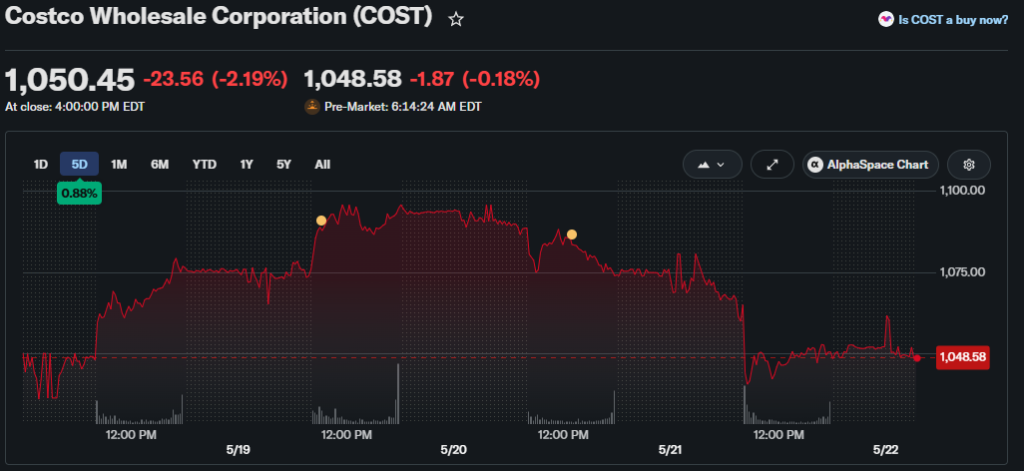
The Economics of Lifetime Customer Value
The primary driver of the firm’s valuation is the exceptional loyalty of its North American participants. Membership renewal rates in the United States and Canada currently stand at 92.1%, a metric that is almost unparalleled in the retail space. This data explains why the executive team is willing to invest heavily in “top-of-funnel” acquisition.
Once a shopper enters the ecosystem, the historical data suggests they remain active for decades, gradually transitioning from occasional bulk buyers to frequent weekly visitors who utilize the warehouse for apparel, pharmacy needs, and fuel.
For the organization, membership revenue is effectively a high-margin cash stream that is independent of specific purchase frequency. Whether a participant shops ten times a year or every week, the annual fee provides a predictable floor for the company’s balance sheet.
This predictable income allows the firm to negotiate more aggressively with suppliers, passing those savings back to the consumer to further reinforce the “value loop.” By maintaining this cycle, the company ensures that its subscriber base views the annual fee as a mandatory utility rather than a discretionary expense.
Strategic Deployment of Membership Incentives
In a departure from its traditionally conservative promotional stance, the company has launched a significant incentive program to capture new demographic segments. Under the current offer, new participants who enroll in automatic renewal services are eligible for digital reward credits. Specifically, new Gold Star members receive a $20 digital shop card, while those opting for the premium Executive tier are awarded $40.
This promotion is targeted exclusively at entirely new shoppers or those whose previous accounts have been inactive for at least 18 months. By requiring an email address and an authorized auto-renewal setup, the company is streamlining its future retention efforts from the moment of enrollment.
This effectively lowers the initial entry barrier, reducing the first-year net cost of an Executive membership to $90. While such discounts are rare, the short-term cost of the subsidy is easily justified by the high probability of a multi-year renewal at full price.
Deepening Ecosystem Integration and Retention
The firm’s long-term strategic orientation focuses on expanding the “basket share” of its loyalists. Modern shopping habits at the warehouse have shifted toward a more holistic integration, where members rely on the brand for higher-margin services like travel, insurance, and optical care. This evolution from a “pantry-stocker” to a primary service provider is a key pillar of the company’s growth plan for the remainder of 2026.
Maintaining institutional-grade productivity in this sector requires a relentless focus on member trust. Leadership frequently emphasizes that retention is the only metric that truly defines the company’s success. When a participant feels they are being treated fairly, whether through high-quality Kirkland Signature products or the company’s famous “no-questions-asked” return policy, the likelihood of a renewal remains high. This culture of reliability is what allows the firm to trade at a premium valuation compared to traditional “big box” competitors.
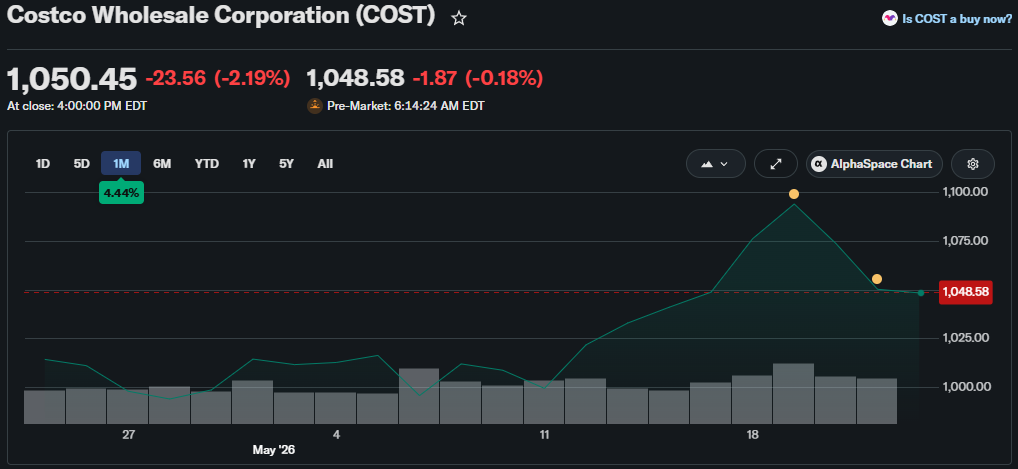
Incentive Framework and Market Sentiment
As the retail sector navigates shifting consumer dining and shopping trends, the ability to secure a fixed revenue stream through memberships remains a massive competitive advantage. While the broader market may experience volatility, the recurring nature of the warehouse fee structure provides a defensive moat.
The current promotion is a calculated move to capitalize on this stability, ensuring that the next generation of shoppers is locked into the ecosystem before the end of the fiscal year. For investors, the continued rise in fee income and the stability of the 92.1% renewal rate suggest that the company’s core business engine is operating at peak efficiency.


