
Crude oil prices moved sharply higher as escalating tensions in the Middle East triggered renewed concerns about disruptions to global energy supply. Recent attacks targeting key infrastructure near one of the world’s most important shipping corridors have increased volatility across commodity markets and pushed crude benchmarks toward new short-term highs.
Financial analysts from BUCKSA explain that the latest developments around the Strait of Hormuz highlight how geopolitical risk continues to shape energy pricing dynamics. Even isolated incidents affecting export facilities can rapidly alter trader sentiment when global supply chains rely heavily on a limited number of transportation routes.
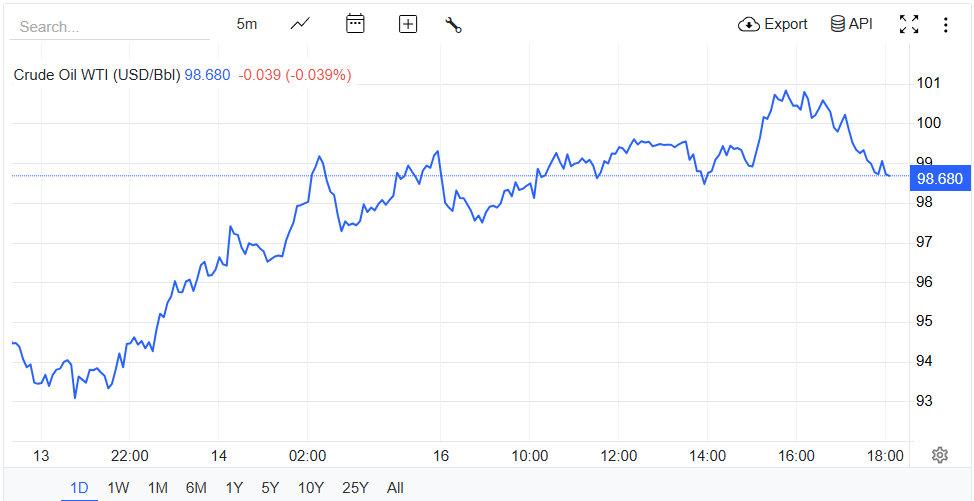
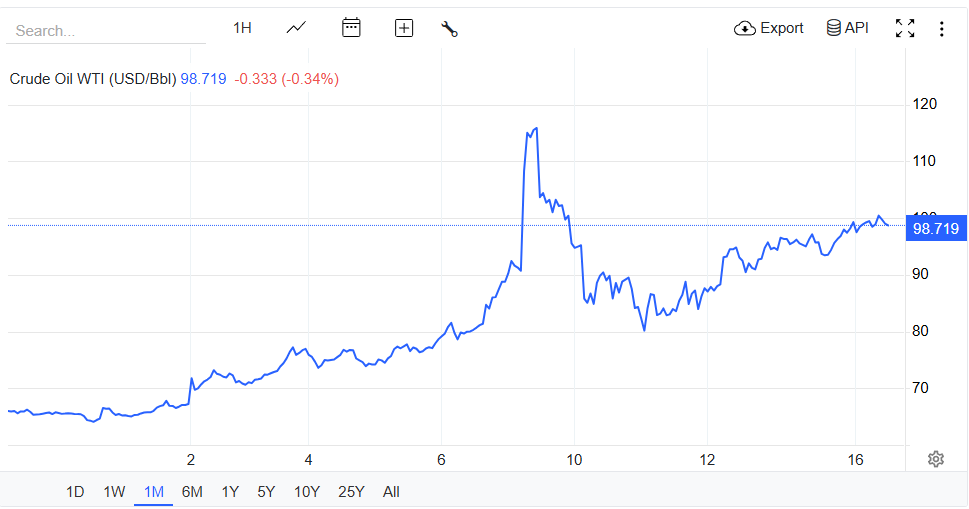
Brent crude recently surged above $106 per barrel, while West Texas Intermediate approached $101 per barrel. Over the past two weeks, crude futures have rallied by more than 40 percent, representing one of the most aggressive short-term increases recorded in recent years.
The latest price movement reflects rising concern that shipping routes or production facilities in the Gulf region could face further interruptions if tensions continue to escalate.
Strategic Importance Of Fujairah In Global Energy Trade
Market attention has been focused on Fujairah, a major oil export hub in the United Arab Emirates located just outside the Strait of Hormuz.
The port plays a vital role in the global oil trade because it allows tankers to load crude without passing directly through the narrow Strait of Hormuz, one of the most strategically sensitive shipping lanes in the world. This makes Fujairah one of the most important energy logistics centers in the region.
Recent reports indicate that oil loading operations were temporarily suspended after infrastructure was struck for the second time within three days. Authorities began assessing damage while shipments were briefly halted.
Even short disruptions at facilities like Fujairah can trigger immediate reactions in global oil prices, as the port serves as a critical alternative route for exporters attempting to bypass security risks in the Strait of Hormuz.
Regional Conflict Expands Energy Supply Risks
The security situation intensified further following reports of military strikes targeting oil infrastructure linked to Iranian exports. Kharg Island, which handles a significant portion of Iran’s crude shipments, was reportedly affected by the escalation.
Although initial reports suggested that export activity continued, the expansion of military activity raised concerns that the broader conflict could eventually disrupt regional energy supply flows.
According to data released by the International Energy Agency, the current conflict has already contributed to the largest oil supply disruption in modern global energy history.
Traffic moving through the Strait of Hormuz has slowed significantly as shipping companies evaluate safety risks and potential threats to tanker operations. The waterway carries a substantial share of the world’s seaborne crude oil, making it one of the most critical maritime routes for global energy markets.
If shipments through the corridor are restricted further, the impact on global energy availability could intensify rapidly.
Energy Markets Balance Risk And Price Expectations
Energy traders are currently weighing the probability of major supply shortages against the possibility that current oil prices already reflect much of the geopolitical risk premium.
Oil markets often incorporate a geopolitical premium when tensions threaten major producing regions. However, prices typically accelerate further only when physical supply disruptions begin to materialize.
Market specialists say traders are closely monitoring tanker movements, export volumes, and shipping activity to determine whether the conflict will translate into measurable declines in global crude availability.
Even limited disruptions could remove millions of barrels per day from global supply chains if shipping routes remain restricted.
Governments Deploy Strategic Oil Reserves
In response to growing supply concerns, several governments have begun releasing oil from strategic reserves in an effort to stabilize global markets.
The International Energy Agency confirmed that member countries will collectively release 400 million barrels from emergency stockpiles, representing the largest coordinated strategic reserve release ever undertaken.
Japan has already begun distributing reserves into the market, while the United States plans to release the first portion of its 172 million barrel contribution during the current week.
Unlike previous emergency actions, the United States program is structured as an exchange mechanism. Energy companies borrowing crude from the reserve must return the same amount later along with additional volume, effectively treating the release as a temporary supply loan to the market.
The coordinated action aims to reduce upward pressure on oil prices while maintaining adequate global supply during the period of geopolitical instability.
Global Demand Adjustments Begin To Appear
The rapid rise in crude prices is beginning to influence energy consumption patterns in major global economies.
China’s largest refining company has already slightly reduced refinery utilization rates due to rising input costs. However, Chinese officials state that the country maintains sufficient energy reserves to manage short-term supply disruptions.
For energy-importing nations across Asia, the situation presents a complex challenge as governments attempt to secure reliable fuel supplies while limiting inflationary pressure linked to rising energy prices.


