
The initial public offering market is opening in 2026 with a level of anticipation that has not been seen since the pre-pandemic period. A lineup of high-profile private companies is reportedly considering public listings, and market conditions are more accommodating than they were for much of 2023 and 2024.
Senior broker at BUCKSA explains what is driving the renewed IPO optimism, which names are generating the most discussion, and what investors should understand about reading these signals correctly.
The Names Creating the Buzz
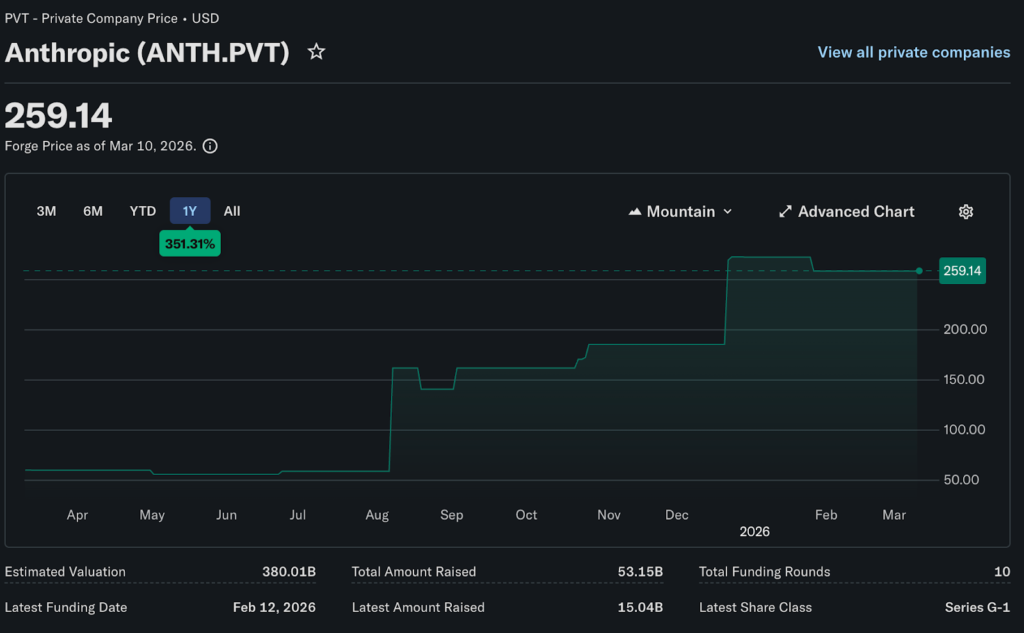
The most closely watched potential listings heading into 2026 include SpaceX, Anthropic, OpenAI, Databricks, and Cerebras. These are not speculative startups. They are mature private companies with significant revenue, established customer bases, and in many cases, strategic partnerships with major public market players.
SpaceX is valued at more than $350 billion in private markets as of late 2025, making it one of the most valuable private companies in history. A public listing would rank among the largest IPOs in U.S. market history. Whether it proceeds in 2026 depends as much on founder preferences as on market conditions, given the historical reluctance to expose the company to quarterly earnings pressure.
Why 2026 Looks Like a Better Window
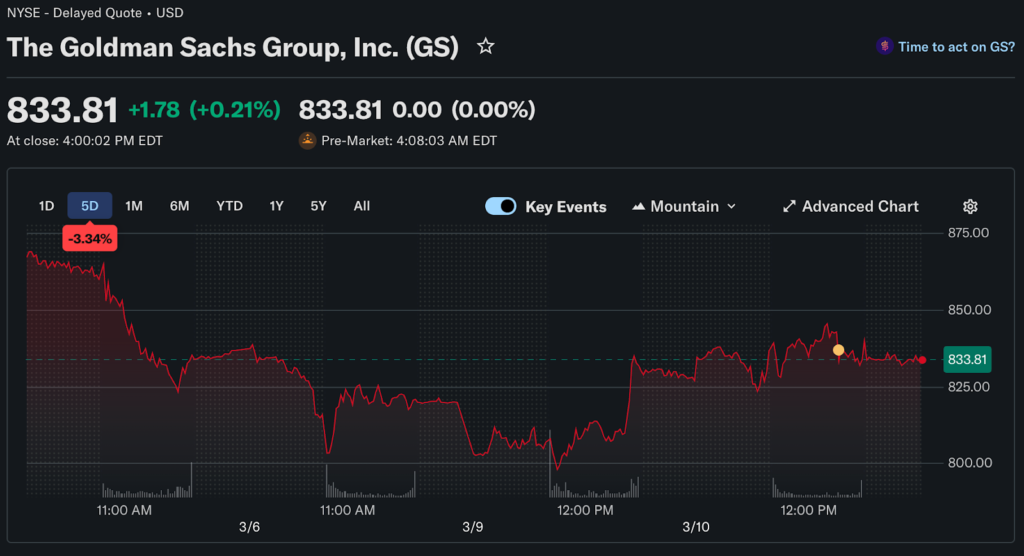
The IPO market in 2025 showed meaningful improvement over the two preceding years, particularly in Q3 and Q4. Goldman Sachs noted in its 2026 investment backdrop that global dealmaking activity showed strong recovery signs, with U.S. M&A activity increasing significantly in 2025 compared to 2024.
Falling interest rates support IPO activity by reducing the discount rate applied to future cash flows, which makes growth companies look more attractive at any given valuation. With two more Fed rate cuts expected in 2026, the cost-of-capital environment for growth-stage listings should improve incrementally through the year.
The M&A Connection
The relationship between IPO markets and mergers and acquisitions is closer than many investors realize. When M&A activity recovers, it creates positive feedback for the IPO market. Successful large-cap acquisitions demonstrate appetite for deal-making, which encourages other companies to test the public markets.
Goldman Sachs analysts noted that a pickup in M&A could draw greater interest to smaller companies and catalyze more demand for private credit financing. For pre-IPO investors in companies like Anthropic or Databricks, a robust M&A market raises the alternative value of their holdings, which can influence both IPO timing and pricing decisions significantly.
What the Hong Kong Market Is Signaling
The Hang Seng Index reached a four-and-a-half year high in January 2026, partly driven by a strong IPO pipeline comprising AI and semiconductor firms. Hong Kong’s market sent an early signal that institutional appetite for growth company listings was recovering. The IPO market was identified as a principal catalyst for optimism in the Hong Kong equity space by multiple market observers.
That signal has implications beyond Asia. When international capital markets show a willingness to absorb new supply at reasonable valuations, it increases confidence among U.S. underwriters that the conditions for successful offerings exist.
The AI Company Listings Are Different
Companies like Anthropic and OpenAI present a unique IPO dynamic. They are not simply businesses with conventional revenue models. They are foundational AI infrastructure providers whose valuations incorporate assumptions about the future of enterprise automation and the entire AI software stack.
Pricing these companies accurately requires investors to form views on technology trajectories that are genuinely uncertain. That uncertainty creates enormous potential upside for investors who back the right companies, alongside significant downside risk if the technology transition takes longer than expected or plays out differently than current models suggest.
Private Equity and Pre-IPO Dynamics
Goldman Sachs projected that a recovery in M&A would spur a broader resumption of private equity activity and catalyze more demand for private credit. Many of the most anticipated IPO candidates are backed by large venture capital and private equity firms that have held positions for longer than typical holding periods. Pressure to return capital to investors is building.
That pressure is constructive for IPO markets because it creates motivated sellers who are incentivized to bring companies public at realistic valuations. A motivated seller makes for a more disciplined pricing process than one driven purely by founder ambition or timing preferences.
Reading the IPO Market as an Indicator
IPO volume is itself a market health indicator. Carnegie Investment noted in January 2026 that a rising number of offerings supports capital formation, countering the long-term decline in publicly traded companies caused by M&A consolidation and buyouts. When the IPO pipeline refills, it signals that private companies see sustainable investor appetite, which is a constructive read for markets broadly.
The first wave of major listings in 2026 will tell investors whether the current environment can absorb supply at sensible valuations. Those early transactions will set the psychological tone for everything that follows.


