
West Texas Intermediate (WTI) crude oil, the benchmark for US oil prices, surged to $97.85 in early European trading on Monday, reflecting escalating geopolitical tensions in the Middle East. Noxi Rise’s brokers offer an in-depth analysis of this topic in their latest article.
The spike comes as the US Administration weighs potential military strikes against Iranian oil infrastructure, particularly targeting Kharg Island, one of Iran’s most critical oil export hubs. Market participants are closely monitoring developments ahead of the American Petroleum Institute (API) report due on Tuesday, which may further influence short-term oil volatility.
Strategic Importance of Kharg Island
Kharg Island serves as the primary export terminal for Iranian crude, accounting for a substantial portion of the nation’s oil revenues. Any damage or disruption to the facility could significantly reduce Iran’s export capacity, potentially removing hundreds of thousands of barrels per day from the global oil market.
Traders are also wary of potential secondary effects, as tensions could impact neighboring Gulf states’ shipping lanes, insurance premiums for tanker operations, and overall market risk sentiment. Historically, any perceived threat to the Strait of Hormuz has led to sharp, often short-lived, spikes in Brent and WTI prices.
US’s Call for International Naval Support
The US President emphasized that maintaining safe passage through the Strait of Hormuz requires international cooperation. He stated that he is in discussions with allied nations about sending naval forces to patrol the route, and confirmed Israel’s collaboration with the US on protecting this vital corridor.
The strategic significance of the Hormuz Strait cannot be overstated. Roughly 18 to 20 million barrels of oil transit this narrow waterway daily, representing a critical artery for both Asian and European energy markets. Even minor disruptions can trigger price spikes, hedging activity, and speculative futures trading.
International Energy Agency Responds with Historic Oil Release
Amid heightened concerns over supply shortages, the International Energy Agency (IEA) announced an unprecedented release of 400 million barrels from strategic reserves. This historic release is intended to mitigate the economic impact of the US-Israel conflict with Iran and provide temporary relief to crude oil markets.
The IEA, which coordinates releases among member nations, aims to prevent a sudden surge in oil prices by supplementing global oil supply. While this measure may cap WTI upside, it is seen as a temporary buffer rather than a long-term solution, especially if hostilities escalate further.
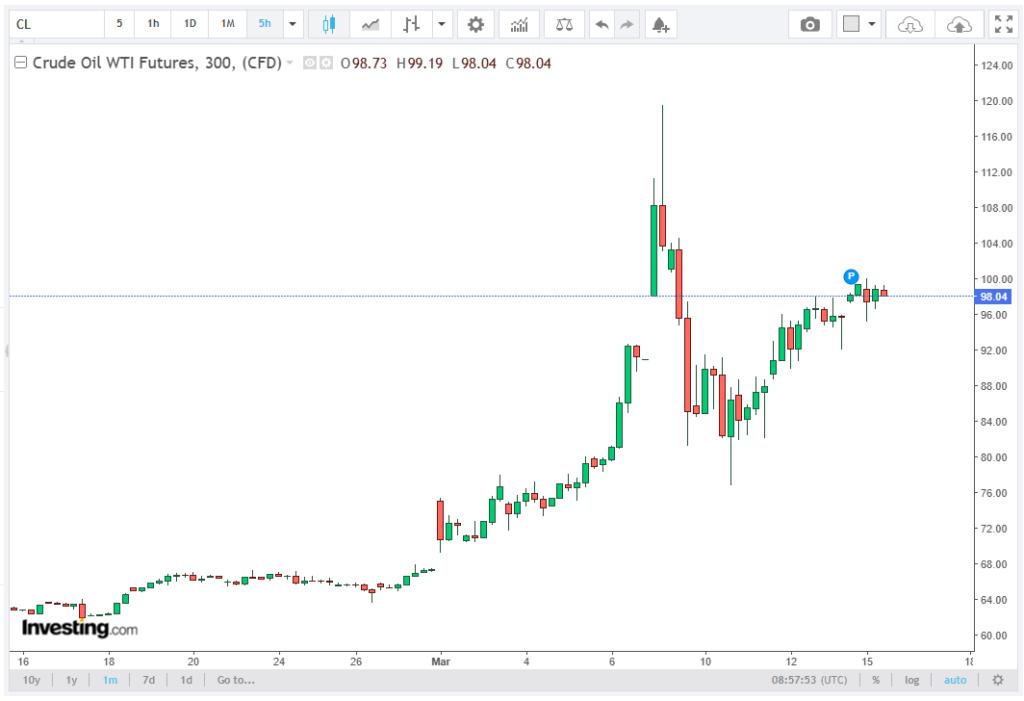
Market observers note that such coordinated releases have historically stabilized markets, but only when combined with broader geopolitical risk mitigation efforts. The scale of this 400-million-barrel release surpasses any previous strategic petroleum interventions, highlighting the severity of current market conditions.
Market Reaction and Trader Sentiment
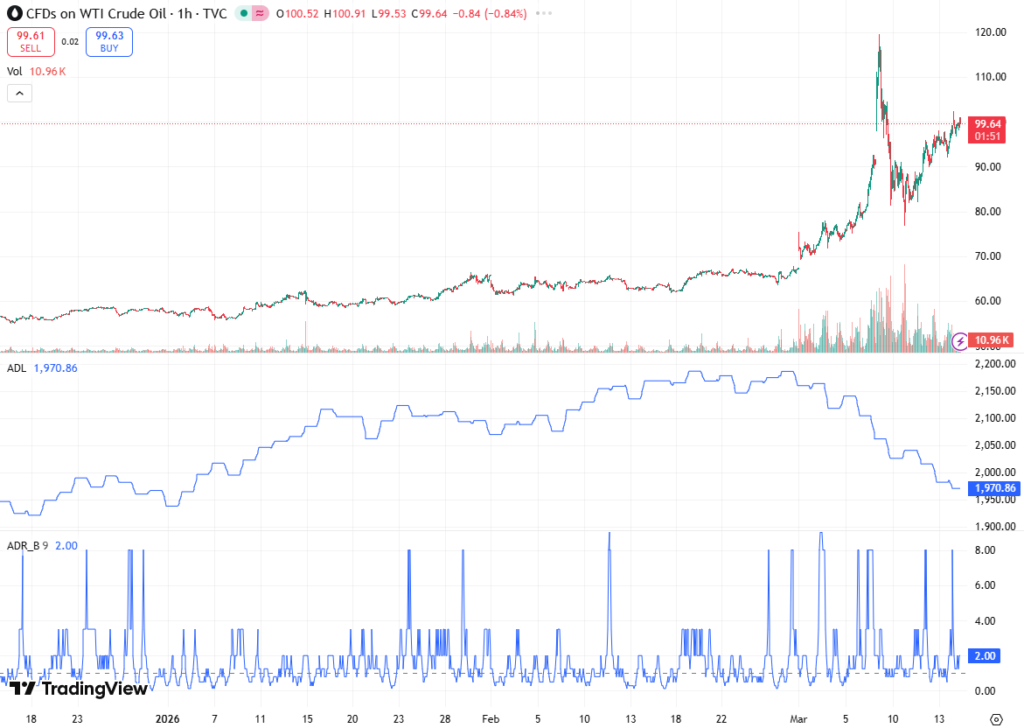
WTI crude futures have shown heightened volatility, reflecting investor concerns over both supply disruptions and geopolitical risks. Hedge funds and institutional traders are likely increasing long positions, anticipating further upward pressure should Iranian exports be compromised or if the Strait of Hormuz becomes obstructed.
The forthcoming API report is another key event for traders, as it will provide insight into US crude inventories, production levels, and refinery utilization. Any surprises could amplify market movements, either reinforcing the current bullish trend or triggering a technical correction.
Implications for Global Energy Markets
The confluence of military escalation and strategic reserve releases has important implications for global energy markets:
The confluence of military escalation and strategic reserve releases carries significant implications for global energy markets. Potential disruptions to Iranian crude exports could tighten global supply, creating upward pressure on oil prices.
At the same time, increased attention on the Strait of Hormuz highlights the vulnerability of key oil transit chokepoints, underscoring broader energy security concerns. Heightened geopolitical uncertainty often drives market volatility, triggering spikes in futures prices, options premiums, and oil-related equities. While interventions such as the IEA’s strategic release can temporarily mitigate supply shocks, they may be insufficient to fully stabilize markets if conflicts intensify.
Analysts emphasize that traders should closely monitor Middle East developments, inventory data, and strategic reserve interventions as key drivers of WTI price fluctuations in the near term.
Conclusion
WTI crude oil is trading near $97.85, reflecting intense market sensitivity to US-Iran tensions and the potential for disrupted crude exports from Kharg Island. The US President’s call for allied naval support to safeguard the Strait of Hormuz, combined with Israel’s cooperation, highlights the strategic importance of this waterway. Meanwhile, the IEA’s historic 400-million-barrel release seeks to temper immediate price shocks, although long-term stability remains uncertain.
Investors and energy analysts will continue to weigh geopolitical risk, strategic reserve policies, and market data releases such as the API report to navigate the current volatile oil market environment. With global oil markets already tight, any escalation in the Middle East conflict could push WTI above the $100-per-barrel threshold, testing both traders’ risk tolerance and market resilience.


