
Crude oil surged past $120 per barrel on March 9 as the Middle East conflict blocked critical shipping routes. Markets initially crashed, then rallied on war resolution hopes. Finance analyst atNoxi Rise deep dives into how energy price spikes create cascading economic effects beyond immediate market reactions.
Strait of Hormuz Shutdown
The Strait of Hormuz carries 90% of oil imports for Asian countries, creating an immediate crisis. Iranian threats against safe passage forced Kuwait to announce precautionary production cuts. This strategic chokepoint controls approximately 21 million barrels daily.
When this artery closes, alternative routes cannot compensate for volume. Iraq’s production collapsed 70% from three major oilfields. Before the conflict, these fields pumped 4.3 million barrels per day, but now reduced to 1.3 million. A senior financial analyst walks you through the supply chain breakdown.
Storage Capacity Crisis
Iraq’s production cuts stemmed from storage running full, not damage. With shipping blocked, oil has nowhere to go, creating bottlenecks. This differs from typical supply disruptions where production facilities suffer damage.
The storage constraint means production must halt even if capacity remains intact. Junior broker at the brand breaks down how this creates temporary but severe shortages. When routes reopen, production can resume quickly, unlike damaged infrastructure.
US Consumer Impact
Average US gasoline prices reached $3.48 per gallon, representing 17% increase since late February. This rapid escalation threatens consumer spending power, particularly for lower-income households. Transportation costs ripple through the entire economy.
Higher fuel prices act as a tax on consumers, reducing discretionary spending elsewhere. Lead financial expert emphasizes that sustained prices above $3.50 historically trigger demand destruction. Economic growth slows when energy costs spike.
The G7 Response
The Group of Seven nations announced readiness for necessary measures, including strategic stockpile releases. The coordinated statement aimed to calm markets about supply security. However, strategic reserves provide temporary relief only.
Stockpile releases cannot indefinitely replace sustained production from blocked fields. A finance analyst at the brand takes a closer look at how long reserves last. Most major nations hold 90-day supplies at current consumption rates.
Energy Stock Paradox
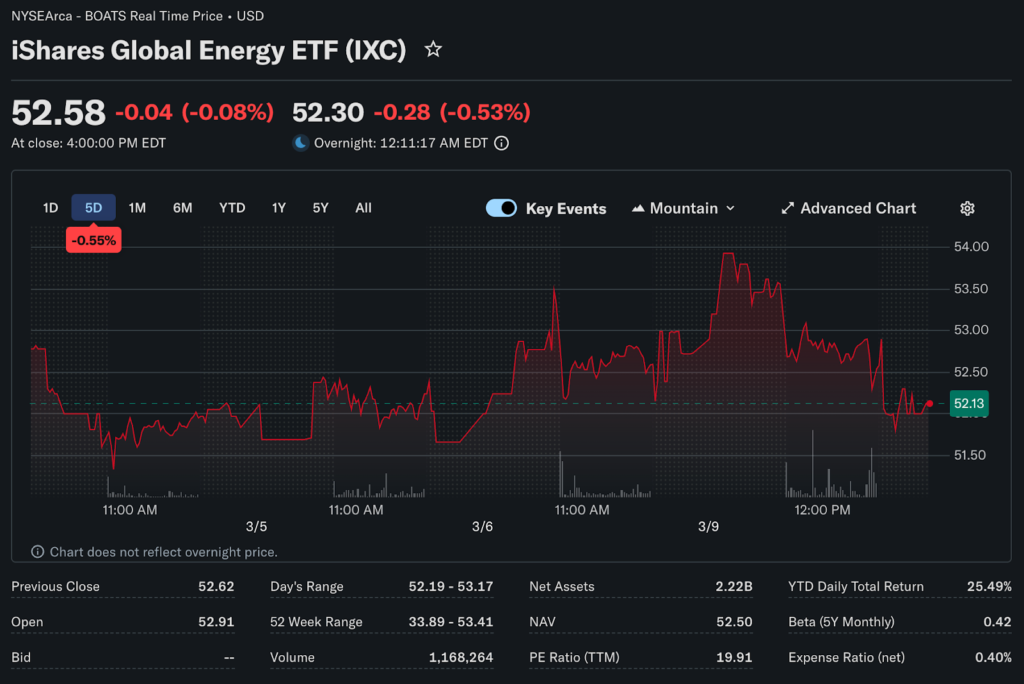
Energy companies initially rallied on soaring prices. XOP ETF tracking oil exploration jumped from $150 to $164 since February 20. iShares Global Energy ETF rose from $50.60 to $53.40 in the same period.
However, gains reversed as recession fears emerged. Higher oil prices boost energy company revenues but threaten economic growth. An expert broker shares that this creates self-limiting upside for the sector.
Inflation Implications
Oil above $100 per barrel feeds directly into inflation calculations. Transportation, manufacturing, and food costs all increase with energy prices. This complicates Federal Reserve policy as inflation reaccelerates.
The Fed faces difficult choices between fighting inflation and supporting growth. Rate cuts become less likely when energy-driven inflation surges. Senior broker at the brand goes over how monetary policy gets trapped.
Asian Market Devastation
South Korea’s KOSPI plunged 7.72%, triggering circuit breakers that halted trading. Japan’s Nikkei 225 crashed 6.45% in panic selling. These markets depend heavily on Middle Eastern oil imports.
China’s SSE Composite held up best, declining just 0.78% due to strategic reserves. The divergence shows which economies face the greatest immediate vulnerability. Junior financial expert points out that energy security determines resilience.
Defense Contractor Beneficiaries
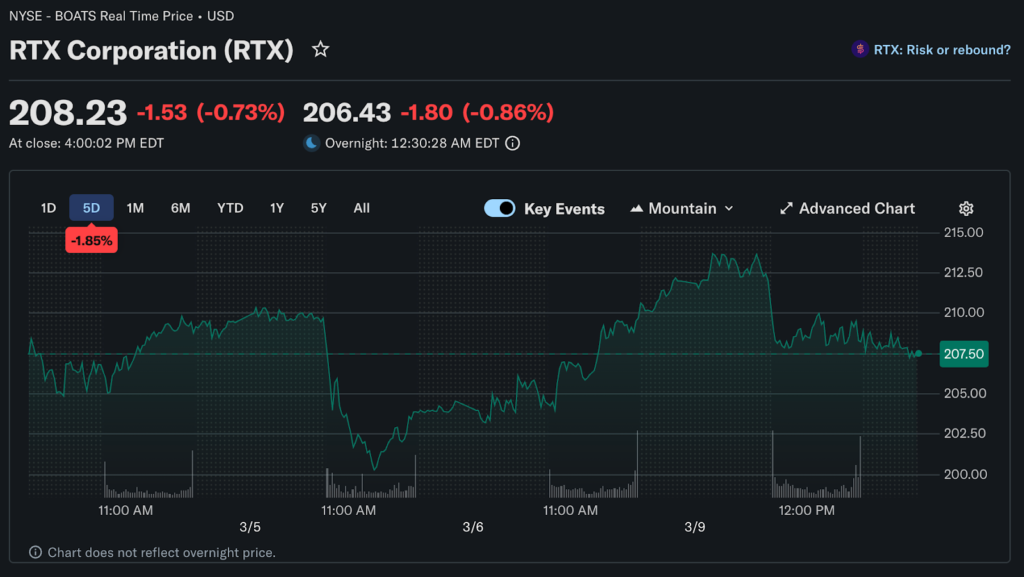
RTX, Northrop Grumman, and Lockheed Martin all gained as the conflict extended. Defense stocks have risen 2-4% month to date, benefiting from military operations. Extended conflicts drive munitions restocking and equipment replacement.
However, these gains remain modest compared to broader market swings. The lead broker at the brand discusses how defense represents a small allocation in the portfolio. The sector provides diversification but limited upside.
Resolution Rally Mechanics
Markets reversed violently after the president’s comments suggested the war was over. The Dow recovered 900 points from intraday lows. Nasdaq jumped 1.38%, and the S&P 500 gained 0.83% by close.
This whipsaw action demonstrates how quickly sentiment shifts on geopolitical news. A finance expert at the brand underlines that positioning for these moves proves nearly impossible. Investors must either accept volatility or reduce exposure.
Historical Precedent Analysis
Previous oil shocks in 1973, 1979, and 1990 all triggered recessions. Prices above $100 sustained for months destroy economic growth through multiple channels. Current spike duration determines ultimate impact.
If the conflict resolves quickly and shipping resumes, damage remains contained. A senior financial analyst emphasizes that each additional week of disruption increases the probability of a recession. The critical variable is the timeline, not just the peak price.
The $120 oil spike created conditions for an economic crisis before a dramatic reversal. Markets now await clarity on conflict resolution and on the restoration of shipping routes. Whether $100 oil returns or prices normalize will determine recession risk in the second half of 2026.


