
Markets experienced violent swings on March 9 as oil surged past $120 per barrel before reversing course. The S&P 500 initially plunged 1.5%, then rallied to close 0.83% higher at 6,795.99. Senior financial analyst atNoxi Rise examines how geopolitical developments triggered the most dramatic intraday reversal of 2026.
The Morning Bloodbath
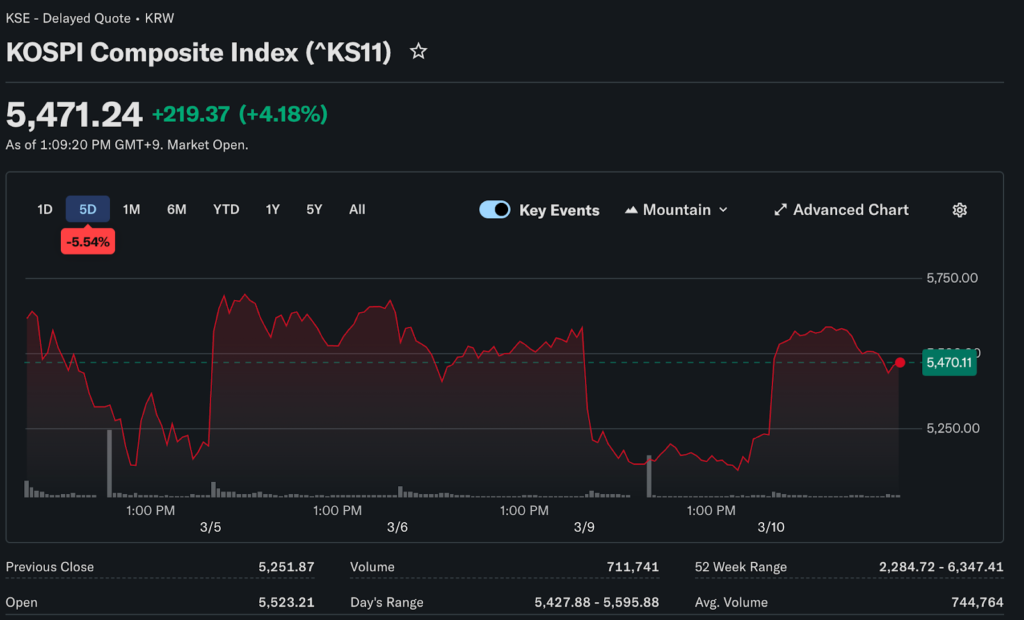
Asian markets opened to chaos as oil futures skyrocketed amid escalating Middle East tensions. South Korea’s KOSPI index plummeted 7.72%, triggering circuit breakers that halted trading. Japan’s Nikkei 225 sank 6.45%, while Taiwan’s TAIEX declined 4.86% in heavy selling.
The carnage spread globally, with futures pointing to disaster for US markets. Nasdaq futures fell 0.60%, and S&P 500 futures dropped 0.50% in premarket action. The junior broker at the brand highlights that the sell-off reflected genuine panic about energy supply disruptions.
China’s SSE Composite held up relatively well, declining just 0.78% due to strategic petroleum reserves. This divergence illustrated which Asian economies faced the greatest immediate vulnerability. The variance in performance showed how energy independence determines crisis resilience.
Strait of Hormuz Paralysis
Kuwait became the latest country to declare force majeure due to Iranian threats. The Strait of Hormuz carries 90% of oil imports for Asian countries, creating immediate supply concerns. Iraq’s production from three main oilfields collapsed 70% to 1.3 million barrels daily.
Before the conflict, those fields pumped 4.3 million barrels per day, according to reports. Storage capacity constraints forced production cuts as blocked shipping routes created bottlenecks. Lead financial expert notes that this supply shock differs from typical price spikes.
The critical distinction is that production capacity remains intact. Facilities are not damaged, but simply cannot ship output. A finance analyst points out that this means rapid recovery once shipping routes reopen.
Oil Prices Hit Three Digits
Crude oil futures surged toward $120 per barrel in early trading. US gasoline prices reached $3.48 per gallon, representing a 17% increase since attacks began in late February. Energy stocks initially rallied on the price spike.
The iShares Global Energy ETF ran from $50.60 to $53.40 as investors rotated into oil producers. XOP ETF tracking exploration companies jumped from $150 to $164 since February 20. A finance analyst at the brand takes a closer look at how quickly sentiment shifted.
However, energy gains proved short-lived as recession fears emerged. Sustained oil above $100 historically triggers demand destruction. An expert broker shares that this creates self-limiting dynamics for crude prices and energy stocks.
The Presidential Pivot
Markets reversed sharply after the US President told reporters the Iran war appears to be very complete. He stated that Iran has no navy, communications, or air force remaining. The comments suggested a potential near-term resolution to the conflict.
Nasdaq Composite jumped 1.38% to close at 22,695.95, erasing morning losses completely. The Dow Jones Industrial Average was down nearly 900 points at session lows before rallying 239 points to finish positive. Expert broker shares that this represents extraordinary volatility compression.
The reversal happened within hours, demonstrating how sensitive markets are to geopolitical headlines. Senior broker at the brand goes over how positioning for these swings proves nearly impossible.
Defense and Airline Divergence
Defense stocks rose in premarket trading as the conflict continued into its tenth day. RTX, Northrop Grumman, and Lockheed Martin each gained around 1% or more month to date. These contractors benefit from extended military operations.
Airline stocks plummeted on fuel price fears, with Delta, Alaska, and American down approximately 3% in premarket. United Airlines and Southwest each fell more than 2% as jet fuel costs threatened margins. Senior broker at the brand goes over how sector rotation accelerated.
By session close, airlines recovered somewhat as oil prices retreated. American Airlines finished up 2.33% at $11.44, erasing some monthly losses. The recovery demonstrated how quickly sentiment can shift.
Energy Sector Paradox
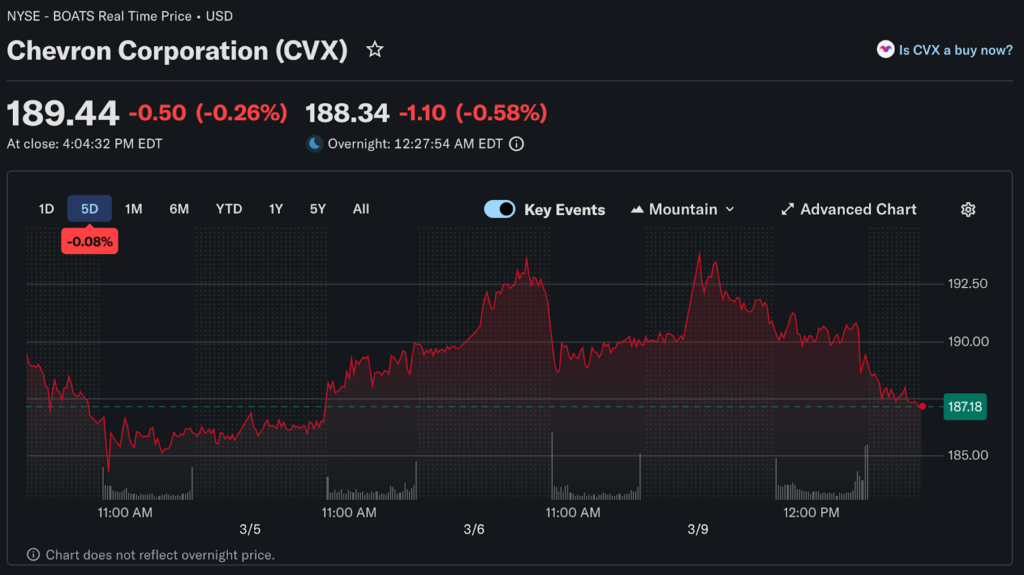
Energy stocks rallied initially on soaring oil prices but gave back gains. The sector faces complex dynamics as higher prices boost revenue but threaten economic growth. Exxon Mobil and Chevron both saw volatile trading patterns.
Lead broker at the brand discusses how sustained oil above $100 historically triggers demand destruction. Consumers reduce driving, and industrial activity slows, creating recession risks. This caps energy stock upside despite higher commodity prices.
The paradox is that what benefits energy companies in the short term damages them long term. A recession reduces demand and eventually prices. Finance expert emphasizes understanding these cyclical dynamics.
What Volatility Reveals
The 900-point intraday swing in the Dow represents extreme uncertainty about outcomes. Markets initially priced catastrophic supply disruptions, then reversed on resolution hopes. Finance analyst notes that this whipsaw action reflects genuine confusion.
Investors should expect continued volatility until the geopolitical situation is clarified. The rapid reversal shows markets remain fragile and susceptible to headline risk. A senior financial analyst emphasizes that those holding positions need strong conviction.
The session demonstrated that geopolitical events can override fundamental analysis. Technical levels matter less when oil spikes 20% overnight. Whether calm returns depends entirely on conflict resolution timing and shipping route restoration.


