
A prolonged slowdown in equity markets may pose a larger risk to bonds than many investors expect. Recent analysis suggests that one of the most consistent sources of bond demand over the past several years could weaken if stock market returns begin to moderate. Market specialists at Rovex Markets note that this shift could materially alter portfolio flows, bond demand dynamics, and diversification behavior across global asset markets.
Over the last few years, strong equity performance has fueled a steady stream of capital into bonds through portfolio rebalancing. As stock values rise, investors managing balanced portfolios are forced to trim equity exposure and reallocate proceeds into fixed income to maintain target allocations. This mechanical process has quietly become one of the most reliable drivers of bond demand.
Rebalancing Has Been a Major Bond Buyer
Since 2021, equity market strength has generated persistent rebalancing activity. For every $10 trillion in total portfolio assets, investors have been selling roughly $37 billion in equities per month and redirecting the same amount into fixed income assets, including U.S. Treasuries, corporate bonds, and mortgage-backed securities.
Cumulatively, these flows have represented approximately 14% of total U.S. Treasury issuance and roughly 22% of investment-grade bond supply during the same period. These figures highlight how rebalancing has evolved from a background mechanism into a central pillar supporting bond markets.
That pillar, however, may now be weakening.
Slower Equity Returns Could Change the Equation
Looking ahead to 2026, expectations point to a sharp deceleration in equity performance. Forecasts now suggest price appreciation of only around 4.5% for major U.S. indices, a meaningful slowdown compared with recent years.
At the same time, monetary policy expectations have shifted. Current projections anticipate only two interest rate cuts, limiting the potential boost to bonds from falling yields. Together, these conditions imply that rebalancing flows into bonds could become smaller, weaker, and less directional.
Why Fading Flows Matter for Bonds
The potential slowdown in rebalancing flows matters because it removes a steady, non-speculative source of demand for bonds. Unlike tactical positioning or yield-driven trades, rebalancing is systematic and largely insensitive to short-term market noise.
Without this structural bid, bond markets may become more sensitive to issuance levels, macro data surprises, and investor sentiment shifts. Demand may need to come increasingly from pension funds, insurers, and foreign buyers, whose participation can fluctuate based on yields, currency dynamics, and regulatory constraints.
This transition could lead to higher volatility across the yield curve, particularly if supply remains elevated while demand becomes less predictable.
A Potential Silver Lining for Diversification
Ironically, the fading of rebalancing flows may restore one of bonds’ most valuable attributes. In recent years, constant reallocation from equities into bonds has contributed to a higher correlation between stocks and bonds, reducing diversification benefits within balanced portfolios.
As rebalancing activity weakens, correlations could normalize. Bonds may once again behave more independently from equities, particularly during periods of market stress. This could enhance the hedging and diversification value of long-duration bonds, even if near-term demand softens.
Market Context Reinforces the Risk
Recent market behavior highlights the fragility of current asset relationships. Equity futures have shown signs of hesitation, while gold prices have pushed above $5,000, reflecting renewed demand for hard assets. Meanwhile, bitcoin has come under renewed downside pressure, pointing to uneven risk appetite.
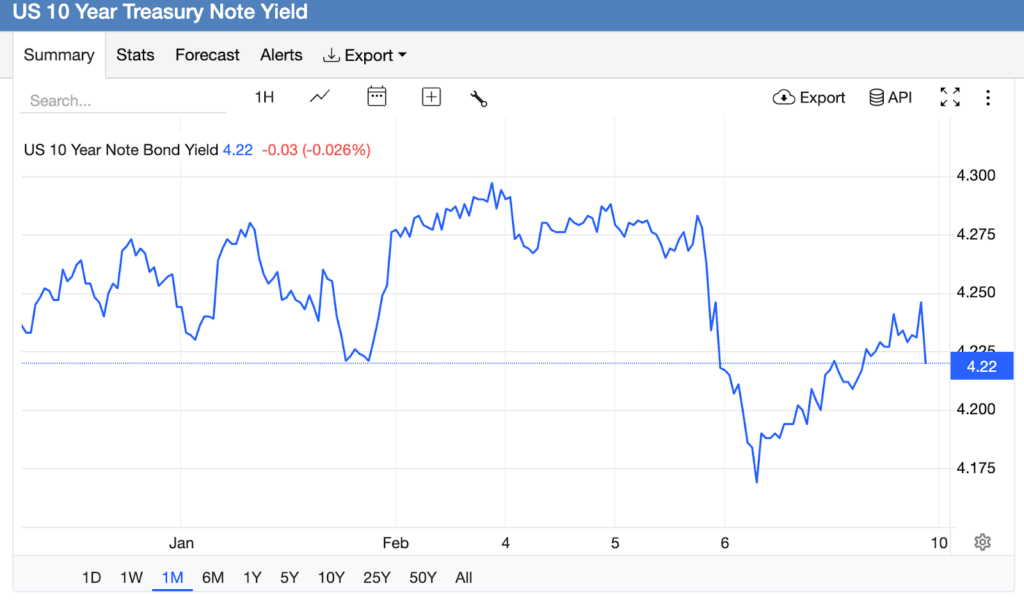
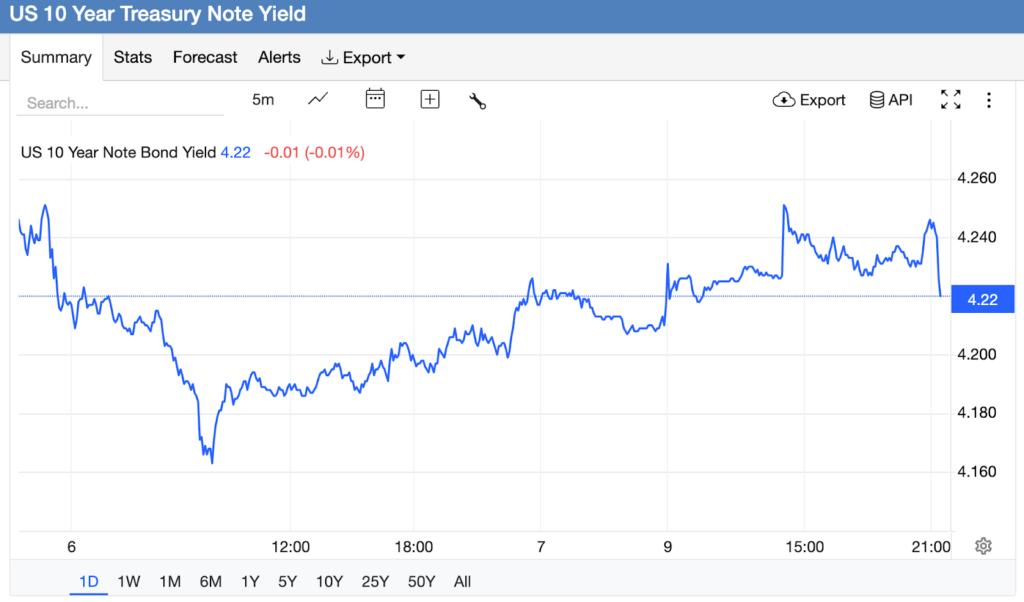
The 10-year U.S. Treasury yield, trading near 4.23%, remains highly sensitive to inflation data and growth expectations. In the absence of stabilizing rebalancing flows, reactions to economic releases could become more pronounced.
Implications for Portfolio Strategy
For investors, the takeaway is not that bonds are losing relevance, but that the source of bond demand is changing. Portfolio strategies that implicitly relied on automatic rebalancing flows to support bond prices may need to be reassessed.
Duration exposure, yield curve positioning, and diversification assumptions should be reviewed in light of a potentially weaker mechanical bid. At the same time, the prospect of restored diversification benefits may justify maintaining bond exposure even if short-term performance becomes less predictable.
Outlook for Bonds and Balanced Portfolios
Looking ahead, the relationship between equities and bonds is likely to evolve as equity returns normalize. If stock markets deliver more modest gains, the rebalancing engine that supported fixed income over the past five years could slow significantly.
While this may remove a key demand pillar for bonds, it could also pave the way for more orthodox asset behavior, where bonds once again serve as a counterbalance to equity risk rather than moving in tandem.
For balanced portfolios, the coming year may mark a shift away from mechanically driven flows toward a more fundamentals-based allocation environment. How effectively investors adapt to this transition will play a critical role in managing risk and preserving diversification as market conditions change.


