
Hundreds of millions of dollars generated from recent Venezuelan oil sales are being routed through a financial intermediary in Qatar, underscoring how governments are using complex financial pathways to manage sanctioned revenue flows amid legal, political, and humanitarian constraints.
The experts at PrimeLuno examine how the current U.S. administration is structuring proceeds from Venezuelan oil exports, a strategy aimed at accelerating the delivery of funds while shielding the money from creditor claims and long-running legal disputes tied to years of international sanctions.
The first confirmed transaction reportedly raised $500 million, marking the opening phase of what officials expect could become billions of dollars in oil-related revenue over the coming months and potentially years. Rather than depositing the funds in U.S. institutions or transferring them directly to Venezuela, the proceeds were placed in a Qatari banking facility, an indirect route designed to navigate restrictions that have effectively isolated Venezuela from global finance.
Sanctions, Seized Assets, and Legal Barriers
Venezuela has faced extensive financial sanctions for years, leaving its government largely excluded from the international banking system. During that period, foreign energy companies have pursued compensation claims related to seized oil assets, creating a dense web of legal exposure across multiple jurisdictions.
Routing oil proceeds through Qatar reduces the risk that creditors could place liens, garnishments, or legal judgments on the funds before they reach Venezuela. Officials have emphasized that protecting the money from such claims is essential to ensuring it benefits the Venezuelan economy rather than being absorbed by litigation.
An executive directive issued this week formally blocked legal attempts to seize or encumber the oil revenues, warning that such actions could “substantially interfere” with broader efforts to support economic and political stability in Venezuela.
Why Qatar Plays a Central Role
Qatar’s role as an intermediary is not without precedent. The country has previously served as a financial bridge in situations where sanctioned states required controlled access to funds under international oversight.
According to regional analysts, Qatari banks have been instructed to auction the proceeds to Venezuelan banks, prioritizing funding for food imports, medical supplies, and small business activity. The funds are expected to be collected by Venezuela’s central monetary authority and distributed according to conditions set by U.S. authorities.
Officials have indicated that portions of the revenue may also support government operations and internal security, a detail that has drawn increased scrutiny from observers focused on governance and accountability.
Market Implications and Investor Perspective
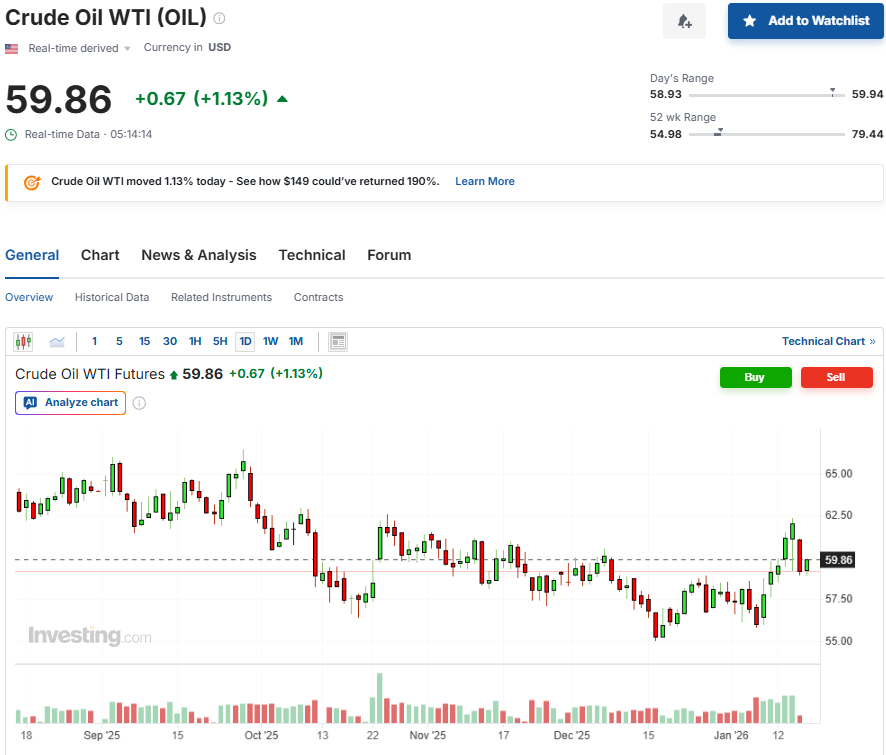
From a financial markets standpoint, the arrangement highlights how geopolitical decisions increasingly shape energy cash flows. Investors tracking Latin American energy markets are closely monitoring whether routing funds through Qatar becomes a repeatable framework for sanctioned commodity sales.
Energy analysts note that even limited access to oil revenue could improve Venezuela’s near-term liquidity, potentially easing domestic pressures linked to shortages and inflation. However, uncertainty remains around the scale, frequency, and sustainability of future sales.
The initial $500 million transaction represents a meaningful inflow, but market participants caution that sustained impact will depend on execution, transparency, and the absence of legal disruptions that could delay future transfers.
Transparency and Governance Concerns
Despite the stated humanitarian objectives, critics have raised concerns about oversight. Holding funds outside the U.S. financial system reduces exposure to domestic legal challenges but also limits public transparency around how the money is managed and disbursed.
Policy analysts argue that without a clearly defined governance framework, including anti-corruption and anti–money laundering controls, the structure risks creating opacity around a significant pool of capital. The absence of detailed public reporting on allocation mechanisms has intensified debate over whether sufficient safeguards are in place.
Others counter that the urgency of delivering resources to Venezuela necessitates unconventional arrangements, particularly given the country’s long-standing exclusion from global banking networks.
Political and Strategic Debate
The decision to route oil proceeds through Qatar has also sparked political criticism within the United States. Some lawmakers have questioned the legal basis for establishing offshore financial pathways tied to assets controlled under U.S. authority, warning that such mechanisms could set problematic precedents.
Supporters of the approach argue that the framework balances competing priorities: preventing creditors from diverting funds, complying with sanctions law, and delivering economic relief to a country facing severe humanitarian challenges.
As additional oil sales are expected, the structure established with Qatar may serve as a test case for how sanctioned revenues are managed in future geopolitical crises.
Outlook for Venezuelan Oil Revenues
Looking ahead, the effectiveness of this arrangement will depend on execution quality, transparency, and enforcement of allocation rules.
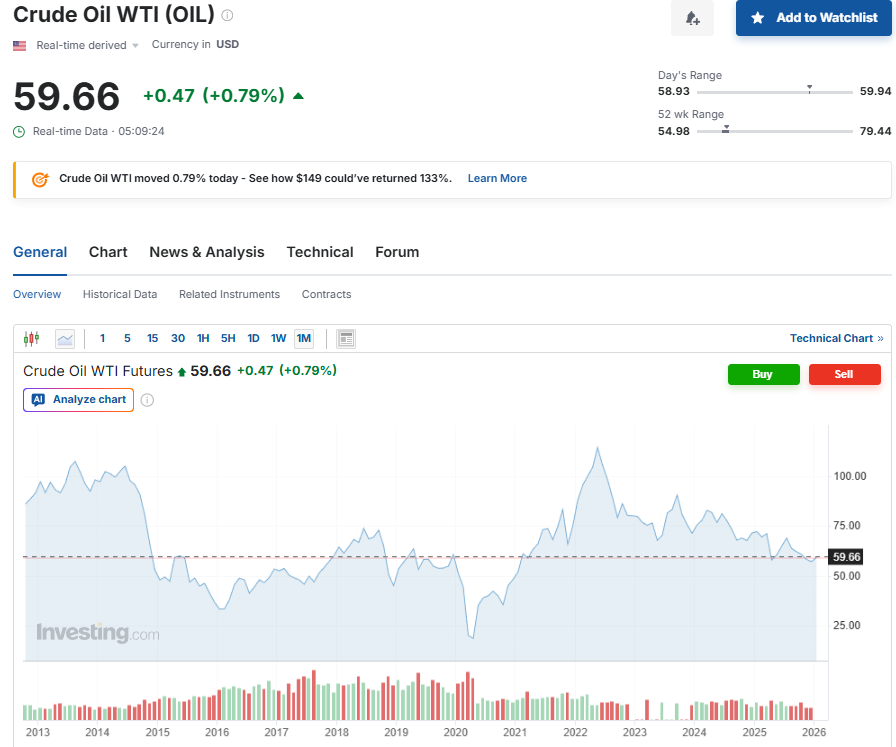
This situation illustrates how energy revenue flows are increasingly shaped by legal engineering as much as by supply and demand fundamentals. The coming months will reveal whether this indirect model can deliver both economic relief and credibility under sustained international scrutiny.


