
Gold arrived at 2026 carrying a track record that left most other assets behind. After a 66% surge in 2025, the yellow metal’s largest annual gain in 46 years, the question is no longer whether gold can rally but how much further it can go. BUCKSA lead financial analyst stresses that the forces behind this move are structural, not speculative, and that investors may be underestimating how long they can persist in the current environment.
A 2025 Run That Rewrote the Record Books
Gold’s 2025 performance was genuinely historic. Spot prices climbed from around $2,650 per ounce at the start of the year to close at approximately $4,410. Silver did even better, posting gains of around 160% for the year. China’s decision to restrict silver exports starting January 1, 2026, removed a meaningful chunk of global supply almost overnight.
Platinum also joined the rally, and gold ETF inflows picked up sharply in the second half of 2025. A weaker U.S. dollar, central bank buying, and ongoing geopolitical tension created conditions that fed almost every driver of precious metals demand at the same time, which is rare.
Central Bank Demand Is Not Slowing Down
One of the most underreported drivers of this gold rally is central bank accumulation. Goldman Sachs estimates that central banks globally are targeting around 20% of reserves in gold. China currently holds only about 8% of its reserves in gold, which means there is still a wide gap to close and years of potential structural buying ahead.
Kate Marshall at Hargreaves Lansdown described this central bank demand as a key pillar of the bull case for gold in 2026. This buying is not speculative. It reflects a deliberate shift away from U.S. dollar-denominated assets, a trend with significant long-term implications for global reserve dynamics.
What January 2026 Looks Like
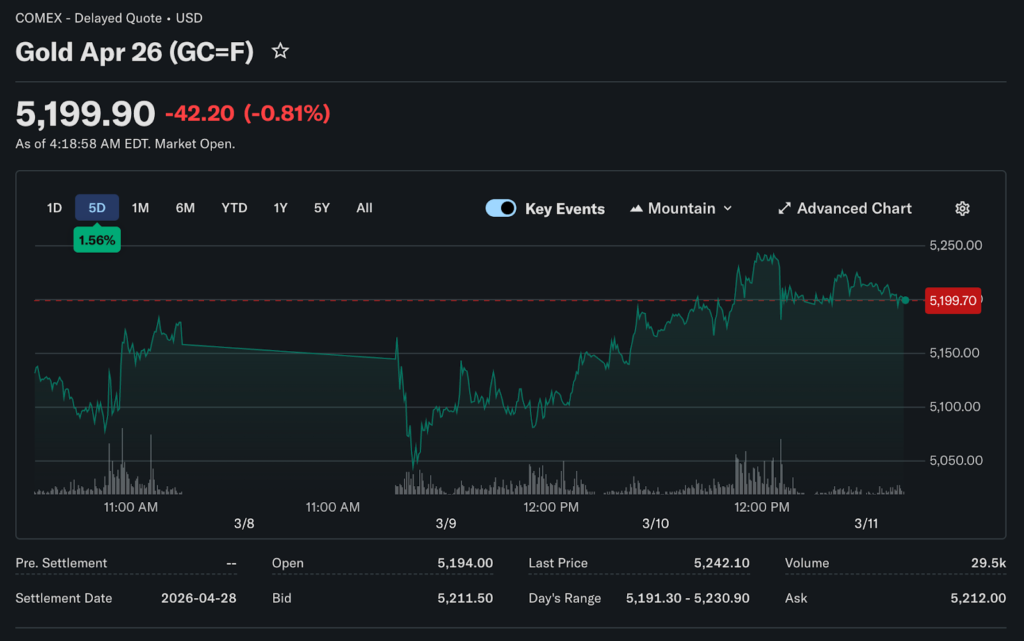
In January 2026, gold is holding levels comfortably above $4,300 per ounce. A BullionVault survey from the start of the year showed gold investors predicting average prices of $5,136 per ounce by end-2026. That sits above even the most optimistic bank forecasts but reflects genuine conviction among both retail and institutional participants.
Silver continues to trade with strength above $72 per ounce as of early 2026. Silver has dual demand as both a store of value and an industrial metal used in solar panels and electric vehicles. That dual demand gives it meaningfully different pricing dynamics compared to gold, and investors should track both separately.
The Dollar Weakness Connection
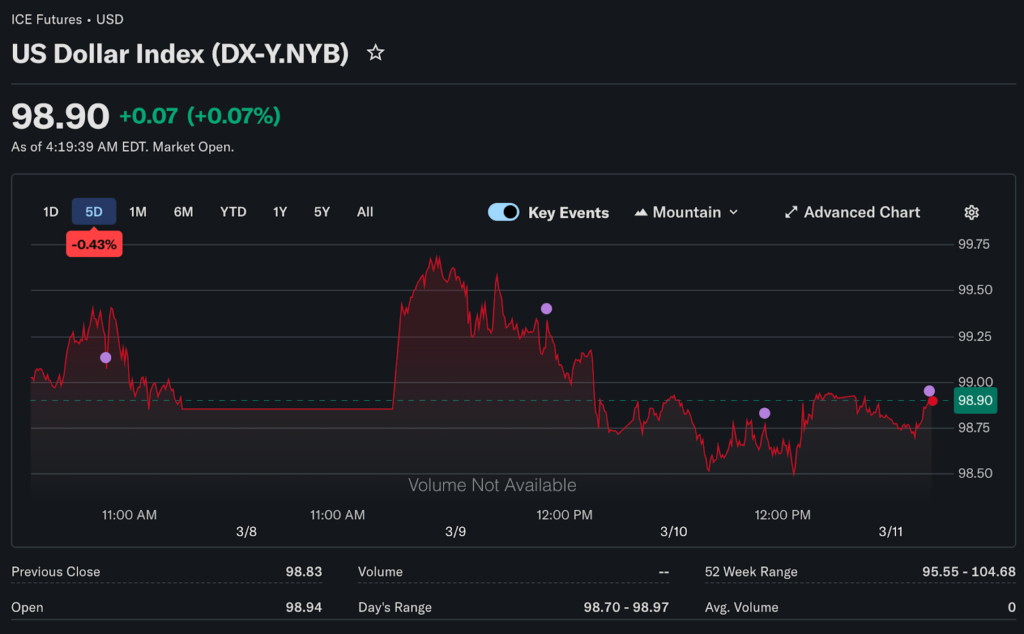
The U.S. dollar index fell approximately 9% in 2025. Dollar weakness is one of the most direct tailwinds for precious metals because gold is priced in dollars globally. When the greenback declines, gold becomes cheaper for foreign buyers, which tends to stimulate demand and push prices higher.
Lukman Otunuga at FXTM described the dollar’s decline as reflecting a loss of confidence in U.S. economic exceptionalism. Trade policy shifts, falling interest rates, and broader uncertainty all contributed to that erosion. If the dollar stays under pressure in 2026, the backdrop for metals remains favorable for buyers.
Risks That Investors Should Consider
The main risk to the gold rally is straightforward. If U.S. inflation continues declining toward the Fed’s 2% target, the case for gold as an inflation hedge weakens somewhat. Fawad Razaqzada at Forex.com noted that gold has functioned primarily as an inflation hedge in recent years and may lose momentum if price pressures ease significantly from here.
After a 66% move in one year, profit-taking is also a natural and rational market response. Ed Yardeni of Yardeni Research commented that a pullback toward the $5,000 level following any new highs would represent a normal consolidation rather than a trend reversal. Investors who understand that distinction will be better positioned to hold through any near-term volatility.
Silver’s Separate Story
Silver deserves its own analysis because the Chinese supply restriction is a supply-side shock with no clear end date. When a major producer restricts exports of an essential industrial material, the price impact tends to last far longer than markets initially expect. The solar energy industry alone consumed over 20% of global silver supply in 2024, and that demand is growing each year.
The gold-to-silver ratio remained elevated through most of 2025 but began compressing as silver outperformed toward year-end. A continued compression of that ratio could represent one of the more notable commodity stories of early 2026 for investors tracking precious metals systematically.
The Bigger Picture for Portfolio Construction
Gold and silver are functioning as portfolio stabilizers in the current environment. Equity valuations are stretched, geopolitical risks are elevated, and the dollar is under structural pressure. The case for holding precious metals in a diversified portfolio is arguably stronger now than at any point in the past two decades.
The pace of gains will likely slow at some point. But the direction is being driven by forces that are not going away anytime soon, and that makes the asset class worth taking seriously in any 2026 portfolio discussion.


