
The rapid expansion of artificial intelligence has transformed the global semiconductor industry, pushing demand for high-performance computing hardware to unprecedented levels. Equity strategists at EPIQUI note that the latest developments in AI infrastructure are reshaping the relationship between graphics processing units (GPUs) and central processing units (CPUs) inside modern data centers.
For several years, GPUs have dominated the AI boom, thanks to their ability to perform massive parallel calculations required for training and running complex machine learning models. However, as artificial intelligence systems evolve into more advanced autonomous workflows, CPUs are regaining strategic importance within modern computing architectures.
This shift is expected to become a key focus at Nvidia’s upcoming GTC AI conference, where the company is preparing to unveil new CPU developments and infrastructure strategies designed to support the next generation of AI computing environments.
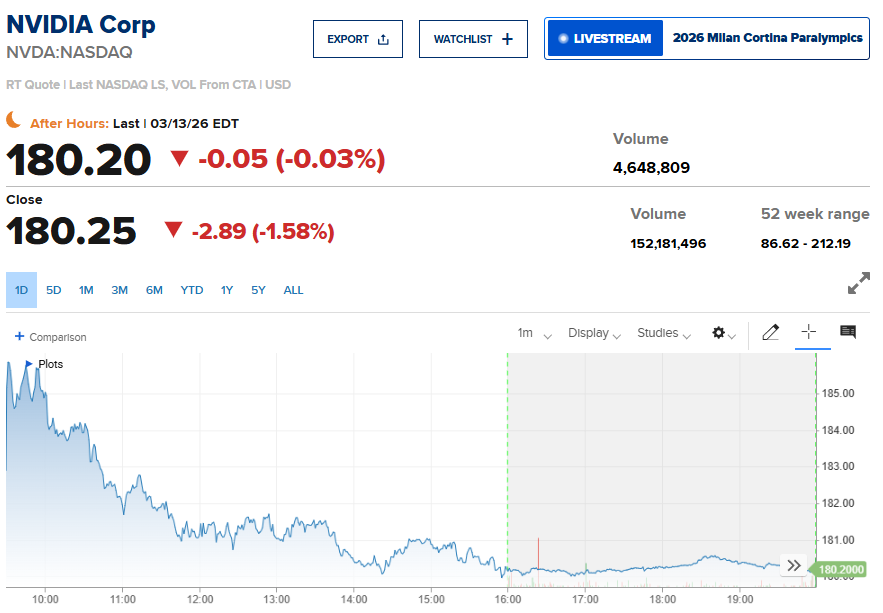
Growing Importance Of CPUs In AI Systems
While GPUs remain essential for accelerating AI computations, CPUs play a crucial role in coordinating system operations and managing computing workflows across large scale AI environments.
Modern AI data centers process enormous volumes of information, requiring processors capable of managing data movement between storage systems, memory networks, and processing clusters. CPUs orchestrate these operations and ensure that expensive GPU resources remain fully utilized rather than sitting idle.
NVIDIA first introduced its Grace data center CPU in 2021, marking the company’s entry into a processor market historically dominated by Intel and AMD. The company has since developed a next-generation processor known as Vera, which is now entering large-scale production as part of Nvidia’s broader AI infrastructure strategy.
These processors are commonly deployed alongside Nvidia’s high-performance GPUs inside rack-scale data center systems used by hyperscale cloud providers.
Massive Growth In AI Hardware Spending
The rapid expansion of AI driven technologies has triggered extraordinary demand for advanced semiconductor hardware.
NVIDIA’s leadership in the GPU market helped push the company to one of the largest market valuations in corporate history, with its capitalization exceeding $4.4 trillion during the peak of investor enthusiasm surrounding AI infrastructure.
Financial results demonstrate the scale of this growth. NVIDIA recently reported more than $62 billion in quarterly data center revenue, representing approximately 75 percent year over year growth, one of the strongest performance figures ever recorded in the semiconductor sector.
Industry forecasts also indicate that the global CPU market could expand from approximately $27 billion in 2025 to nearly $60 billion by 2030, highlighting the growing importance of high performance processors across cloud computing and AI infrastructure.
Agent Based AI Driving New Compute Needs
The renewed focus on CPUs is closely linked to the emergence of agent based artificial intelligence, often referred to as agentic AI.
Unlike earlier AI systems that simply responded to user prompts, agent based platforms can perform sequences of tasks autonomously, coordinating multiple systems to analyze data, retrieve information, and complete complex workflows.
These systems generate massive volumes of computing activity and require processors capable of coordinating large numbers of parallel operations across distributed systems.
Semiconductor Supply Pressures Emerging
The resurgence in CPU demand is also creating pressure within the global semiconductor supply chain.
Industry analysts warn that the processor market may face growing shortages as demand accelerates across cloud computing, artificial intelligence, and high performance computing sectors.
Recent reports suggest that CPU delivery lead times have extended to as long as six months, while prices for certain processors have increased by more than 10 percent due to supply constraints.
Competition Intensifies In The Processor Market
Despite Nvidia’s growing presence in the CPU sector, the market remains largely dominated by long established chipmakers.
Industry data indicates that during the final quarter of 2025, Intel controlled roughly 60 percent of the global server CPU market, while AMD held approximately 24.3 percent.
NVIDIA accounted for about 6.2 percent of the server processor market, with the remaining share distributed among custom processors developed by major cloud providers.
Companies including Amazon, Microsoft, and Google have increasingly begun developing their own in house data center processors, allowing them to optimize performance for their specific computing workloads.
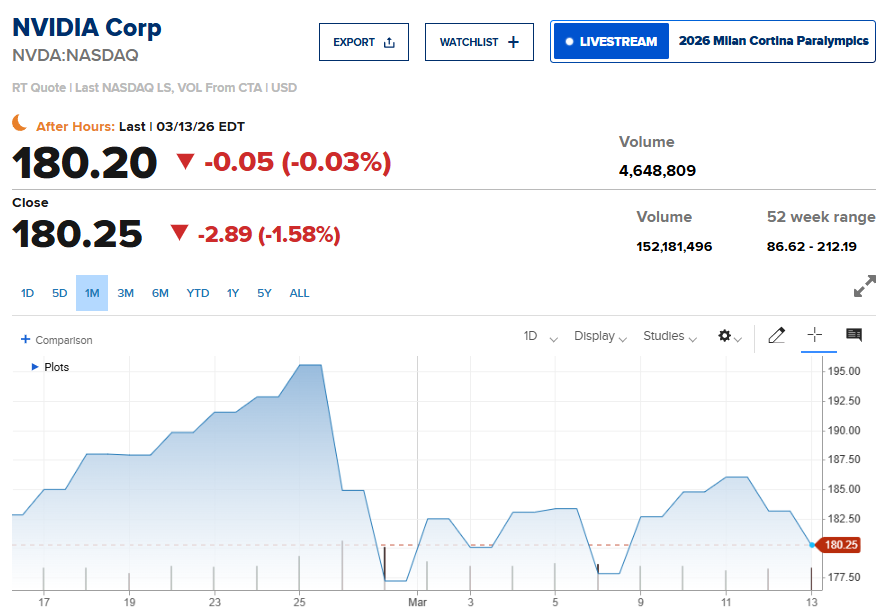
The Next Phase Of AI Infrastructure Development
As artificial intelligence adoption continues expanding worldwide, computing systems will require increasingly balanced hardware architectures.
While GPUs remain the backbone of machine learning computations, CPUs play a critical role in coordinating data flows, managing system resources, and supporting complex AI workflows.
The rising importance of CPUs suggests that the future of AI data center infrastructure will depend on integrated computing ecosystems, where multiple processor types operate together to maximize efficiency.
For investors and industry observers, this shift represents a significant evolution in how global computing power is structured, as semiconductor companies continue developing hardware platforms capable of supporting the next generation of AI driven technologies.


