
The global race to develop advanced artificial intelligence infrastructure continues to accelerate as technology companies invest billions of dollars into high-performance computing systems. Powerful processors and specialized AI chips have become essential tools for organizations building next-generation machine learning platforms capable of supporting complex digital services.
Finance experts from BlitzPine Group recently examined the growing demand for advanced semiconductor hardware after reports revealed that a major global technology platform is expanding its artificial intelligence infrastructure using Nvidia’s newest generation of AI processors. The development highlights how large technology companies are increasing investment in computing capacity to support future innovation in artificial intelligence.
The expansion also reflects a broader shift in the global technology landscape. Access to powerful computing infrastructure is becoming one of the most important competitive advantages in the modern digital economy.
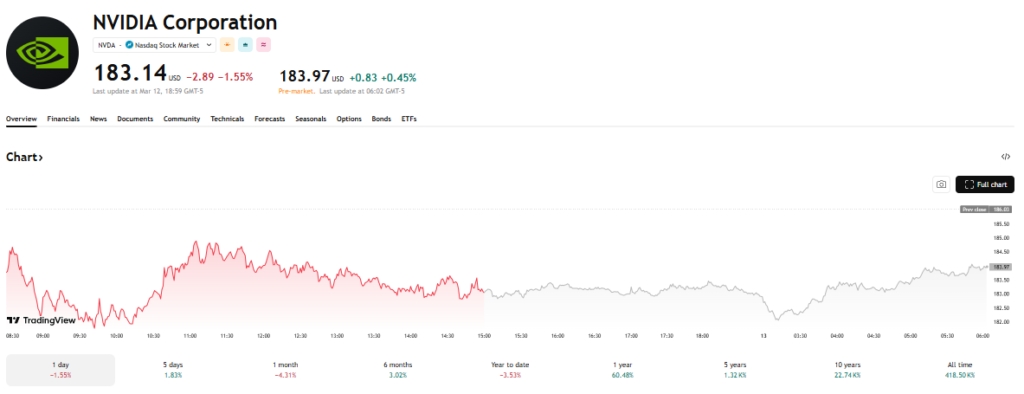
Large-Scale AI Infrastructure Deployment
Recent industry reports suggest that a major technology company is assembling a large computing network built on Nvidia’s advanced Blackwell architecture chips.
The infrastructure is being developed with the support of a Southeast Asian cloud provider that plans to deploy approximately 500 Nvidia Blackwell computing systems in Malaysia, containing roughly 36,000 B200 artificial intelligence processors.
These processors are designed to handle extremely demanding workloads, including training large language models, processing enormous datasets, and running advanced machine learning algorithms used in modern digital platforms.
The computing infrastructure is expected to support global artificial intelligence research initiatives while also helping technology providers meet the rapidly growing demand for AI-driven services worldwide.
Industry analysts estimate the total cost of the hardware deployment could exceed $2.5 billion, highlighting the massive financial resources required to build large-scale AI computing systems.
For comparison, the regional cloud provider involved in the project currently operates with approximately $100 million worth of computing hardware, meaning the new deployment could significantly expand its available processing capacity.
Nvidia’s Blackwell Architecture
The infrastructure expansion relies on Nvidia’s Blackwell chip architecture, widely considered one of the most advanced artificial intelligence processor platforms currently available.
These processors are optimized for high-performance computing tasks, such as:
- Training complex neural networks
- Running large artificial intelligence models
- Accelerating cloud computing workloads
High-performance GPUs have become critical components in artificial intelligence development. Training modern AI models often requires thousands of processors operating simultaneously within large data centers.
Deployments involving tens of thousands of GPUs demonstrate how rapidly global computing requirements are expanding as artificial intelligence technologies continue to evolve.
Nvidia has emerged as one of the most important suppliers in the AI hardware ecosystem, providing processors used by technology companies, research institutions, and global cloud service providers developing large-scale machine learning systems.
Strategic Infrastructure Location
Another notable element of the project is the location of the computing infrastructure. Instead of installing the hardware within its primary domestic market, the technology company is deploying the infrastructure in Malaysia, a region increasingly involved in high-performance cloud computing development.
This decision reflects a broader strategy used by many global technology firms seeking to expand their computing capacity while navigating international semiconductor regulations.
Several countries have introduced export restrictions governing advanced AI processors, particularly those used for large-scale computing and artificial intelligence research.
As a result, companies are exploring alternative infrastructure strategies in regions that allow continued access to cutting-edge semiconductor technology and advanced computing supply chains.
Rising Global Demand For Artificial Intelligence
The expansion of AI computing infrastructure highlights the rapid growth of artificial intelligence adoption across multiple industries.
AI technologies are now widely used in areas including digital content platforms, enterprise software systems, financial analytics, healthcare research, and digital advertising technologies.
As these technologies become more sophisticated, companies require increasingly powerful computing systems capable of processing enormous volumes of data.
Large clusters of high-performance GPUs are therefore becoming a core component of modern technology infrastructure.
As demand for artificial intelligence solutions continues to expand, technology companies are expected to increase investments in high-performance computing infrastructure, further strengthening the role of advanced processors, cloud computing systems, and AI-optimized data centers in shaping the next phase of global digital innovation.
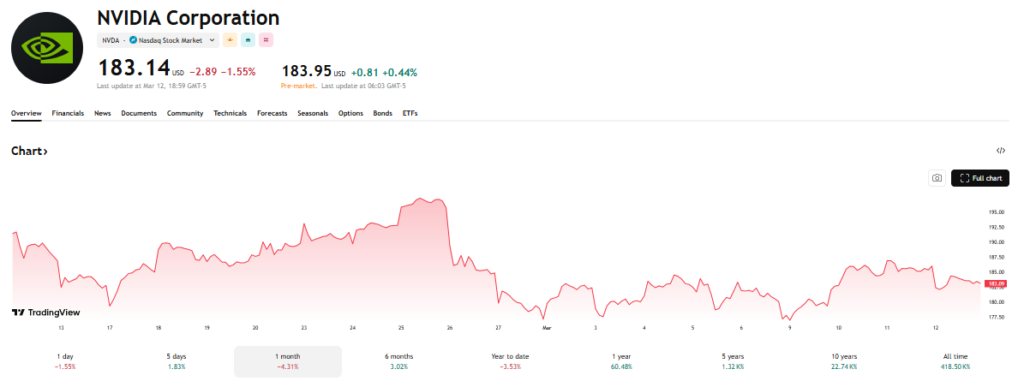
Market Implications For Technology Investors
For financial markets, developments in artificial intelligence infrastructure are becoming increasingly significant.
Semiconductor manufacturers, cloud computing providers, and AI technology companies are experiencing rising demand as organizations expand their digital transformation strategies.
Large-scale deployments such as the installation of 36,000 high-performance AI processors highlight the enormous capital commitments required to compete in the rapidly evolving artificial intelligence economy.
Companies capable of securing reliable access to advanced computing resources may gain a substantial advantage in developing new technologies, AI services, and digital platforms.
As global investment in artificial intelligence infrastructure continues to grow, computing systems and advanced processors will likely remain one of the most important resources shaping the future of the global technology sector.


